
Business
Installing Trex Decking: Complete Step-by-Step Guide for 2026

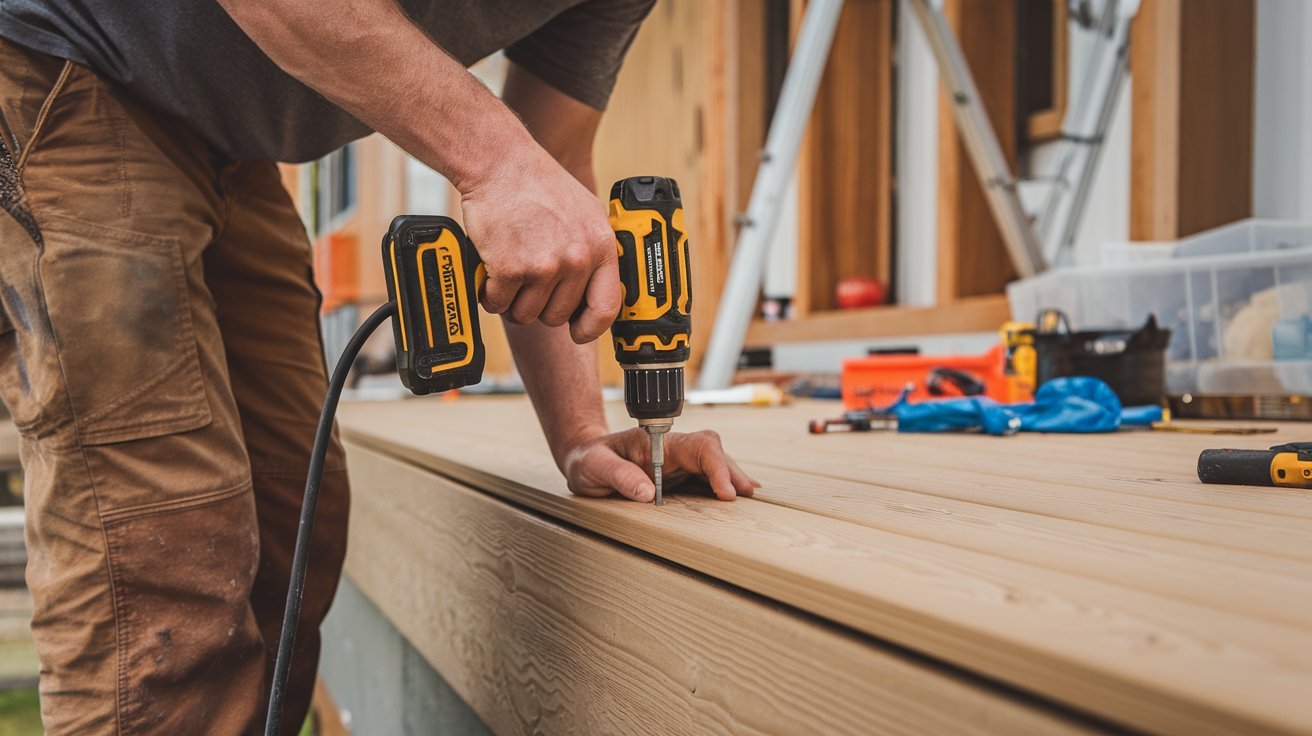
Installing Trex decking is a popular way to create a durable, attractive outdoor living area with less routine maintenance than traditional wood decking. Trex composite boards are designed to resist many of the common problems associated with wood, including splintering, rotting, and frequent staining. However, a successful installation depends on much more than simply fastening boards to joists.
The quality of the deck frame, joist spacing, board gapping, fasteners, cuts, and drainage all affect the finished result. Trex provides detailed installation guidance because different decking collections, framing materials, temperatures, layouts, and applications can require different techniques. Local building codes and permit requirements must also be followed.
What to Know Before Installing Trex Decking
Before purchasing materials, we should carefully inspect the existing deck structure or plan the new framing. Composite decking depends on a properly constructed and level frame. If the joists are uneven, damaged, improperly spaced, or inadequately supported, installing attractive Trex boards will not correct the underlying structural problem.
For standard composite-deck applications, Trex recommends joist spacing that is generally no more than 16 inches on center. A diagonal decking pattern may require 12-inch-on-center spacing, while certain applications involving heavier loads or particular board profiles can have different requirements. Stair framing also requires closer spacing according to the decking product being installed.
We should also verify the specific Trex decking collection before beginning. Installation details can differ among products, so the current installation guide for the exact product should take precedence over generic instructions.
Before work begins, we should gather the necessary tools, including a tape measure, square, drill, appropriate bits, clamps, saw, safety equipment, approved fasteners, spacers, and any required hidden-fastener installation tools. Trex recommends appropriate personal protective equipment and emphasizes following local building requirements.
Preparing the Deck Frame and Joists
The foundation of a successful Trex installation is a flat, properly spaced, structurally sound frame. When replacing old wood decking with composite boards, we should not assume that the existing joist spacing is automatically suitable.
Trex explains that existing joists spaced at 24 inches on center may require additional joists when converting to composite decking. Adding a joist between existing members can bring the framing closer to the spacing required for the decking system.
The joists should be aligned carefully so that the top surface forms a consistent plane. Any significant high or low spots can become visible after the composite boards are installed. We should also consider drainage and protect the framing from prolonged moisture exposure where appropriate.
Trex recommends considering joist protection tape or other appropriate methods to help protect the tops of framing members. The company notes that properly planned joist spacing and gapping are fundamental to a successful composite-deck installation.
When the frame is complete, check it from multiple directions. A long straightedge can help identify uneven areas before the decking is installed.
Planning Board Layout, Cuts, and Gaps
Good planning makes installing Trex decking considerably easier. Before fastening anything permanently, we should determine the direction of the boards, the location of seams, the position of stairs and railings, and whether the project includes a breaker board, picture-frame border, diagonal pattern, or other decorative design.
Trex recommends mixing boards before installation to create a balanced distribution of color tones. Composite boards can naturally vary in appearance, so laying them out first gives us an opportunity to arrange the colors rather than discovering unwanted variation after installation.
Gapping is essential. Spaces between boards allow water to drain and accommodate movement caused by changing temperatures. The required gap depends on the product, temperature, board configuration, and installation location, so we should always use the current Trex installation guide for the exact dimensions.
Trex’s installation information also specifies different requirements for butted board ends, including temperature-dependent gaps. The company recommends clean-cutting board ends and states that boards should be clean cut by at least 3/16 inch (5 mm) where applicable.
Careful measurements are especially important around walls and other fixed objects. We should not force boards tightly against a solid structure when the installation instructions require clearance.
How to Fasten Trex Deck Boards
The fastening system depends on whether we are using grooved-edge boards, square-edge boards, surface screws, or Trex Hideaway hidden fasteners.
For Trex Enhance installations, Trex’s instructions place surface fasteners approximately 1 inch from the edge and 1 inch from the end of the board where applicable. If there is insufficient room for the recommended placement, pre-drilling may be necessary. Trex also instructs installers not to countersink fasteners excessively into the decking.
For grooved boards, hidden fasteners can create a cleaner appearance because most of the fastening hardware is concealed between boards. Trex recommends using a hidden fastener at every joist. The fasteners also help establish consistent spacing between adjacent boards.
We should avoid overtightening. A screw driven too deeply can damage the board or reduce the effectiveness of the fastening system. Trex specifically recommends using an appropriate drill with adjustable clutch or torque settings and keeping screw heads properly positioned.
A Trex Universal Fastener Installation Tool can also speed up hidden-fastener installation. Trex states that its tool is designed to simplify the fastening process and can reduce installation time substantially in suitable applications.
Installing the Boards and Maintaining Consistent Spacing
Once the frame is prepared and the fastening system is selected, we can begin installing the decking boards. The first board is particularly important because it establishes the alignment for the entire surface.
We should position the first board carefully against the appropriate stop or edge, verify that it is straight, and secure it using the approved fastening method. Trex’s installation instructions demonstrate using clamps to hold boards securely against the rim joist before fastening.
As additional boards are installed, consistent spacing should be maintained. Spacers can make this process easier. Trex recommends positioning spacers near joist locations and applying firm pressure against the spacer while installing fasteners. Hidden fasteners can also provide consistent spacing automatically when installed correctly.
We should periodically measure from both ends of the deck to the wall or outside edge. This helps identify gradual alignment changes before they become difficult to correct. A deck board that starts straight can still move slightly during installation, so frequent measurements are worthwhile.
For projects using a breaker board or picture-frame design, the framing should be planned before the decking is installed. Extra blocking may be necessary to provide sufficient support beneath board ends and decorative transitions.
Installing Trex Deck Stairs and Finishing Details
Stairs require additional planning because they experience concentrated loads and must meet applicable building-code requirements. Trex provides separate guidance covering stair rise, run, stringer placement, treads, risers, and newel posts.
The appropriate stringer spacing depends on the decking product. For example, Trex’s installation guidance for Enhance stair applications specifies a maximum span between stringers, and the company’s instructions emphasize following the requirements for the particular decking material.
When installing stair treads, we should use the approved fasteners and maintain the required gaps. The tread overhang, stringer spacing, and number of supporting stringers should all be determined according to the current product instructions and local code.
After the primary decking is complete, we can install fascia, trim, railings, stairs, lighting, and other finishing components. Fascia boards should be supported and fastened according to Trex’s specific requirements rather than treated exactly like ordinary decking.
Common Trex Decking Installation Mistakes to Avoid
Several mistakes can affect the appearance and performance of a composite deck. One of the most common is incorrect joist spacing. Composite boards need adequate support, and an old wood-deck frame may not meet the requirements of the new decking.
Another common problem is insufficient or incorrect gapping. Gaps allow drainage and accommodate natural movement, so they should never be treated as optional decoration.
Using ordinary screws instead of approved composite-deck fasteners can also produce poor results. Trex recommends specific fastening systems and provides installation instructions for its different products.
Overdriving screws, failing to pre-drill where required, installing boards without checking alignment, and ignoring temperature-related requirements can also lead to problems.
Finally, we should not rely on an old installation guide when current instructions are available. Trex specifically advises installers to consult Trex.com for the most up-to-date installation requirements, because construction methods and product requirements can change.
Frequently Asked Questions About Installing Trex Decking
Can Trex decking be installed over existing joists?
Yes, if the existing framing is structurally sound and meets the requirements for the particular Trex product. Joist spacing and surface flatness should be checked before installation. If existing joists are too far apart, additional framing may be required.
What joist spacing is recommended for Trex decking?
For many standard composite-deck applications, joists are installed at 16 inches on center or less. Diagonal installations can require 12-inch-on-center spacing, while specific products and applications can have different requirements.
Does Trex decking need gaps between boards?
Yes. Proper gapping is essential for drainage and for accommodating expansion, contraction, and other movement. The exact gap should be determined from the current installation instructions for the specific Trex product.
Are hidden fasteners necessary for Trex decking?
They are not necessarily the only fastening option, but Trex-approved hidden fasteners are specifically designed for compatible grooved decking and provide a clean finished appearance. They should be installed according to the applicable Trex instructions.
Can we install Trex decking ourselves?
Yes, an experienced DIYer with appropriate carpentry skills can install many Trex decks. However, structural framing, stairs, railings, permits, and local building codes require particular attention. For complex structures, professional installation can be appropriate.
How long does installing Trex decking take?
Project duration varies according to deck size, framing condition, layout, stairs, railings, and installer experience. Trex estimates approximately 8–12 hours for a 14-by-22-foot deck with a two-person team of intermediate carpentry skill for its illustrated framing project, while individual decking and complete-deck projects can take considerably longer.
What is the most important part of installing Trex decking?
A combination of proper framing, correct joist spacing, accurate gapping, approved fasteners, careful alignment, and adherence to the current product-specific installation guide determines the quality of the finished deck. Following the manufacturer’s latest instructions and applicable local requirements is essential for a durable installation.
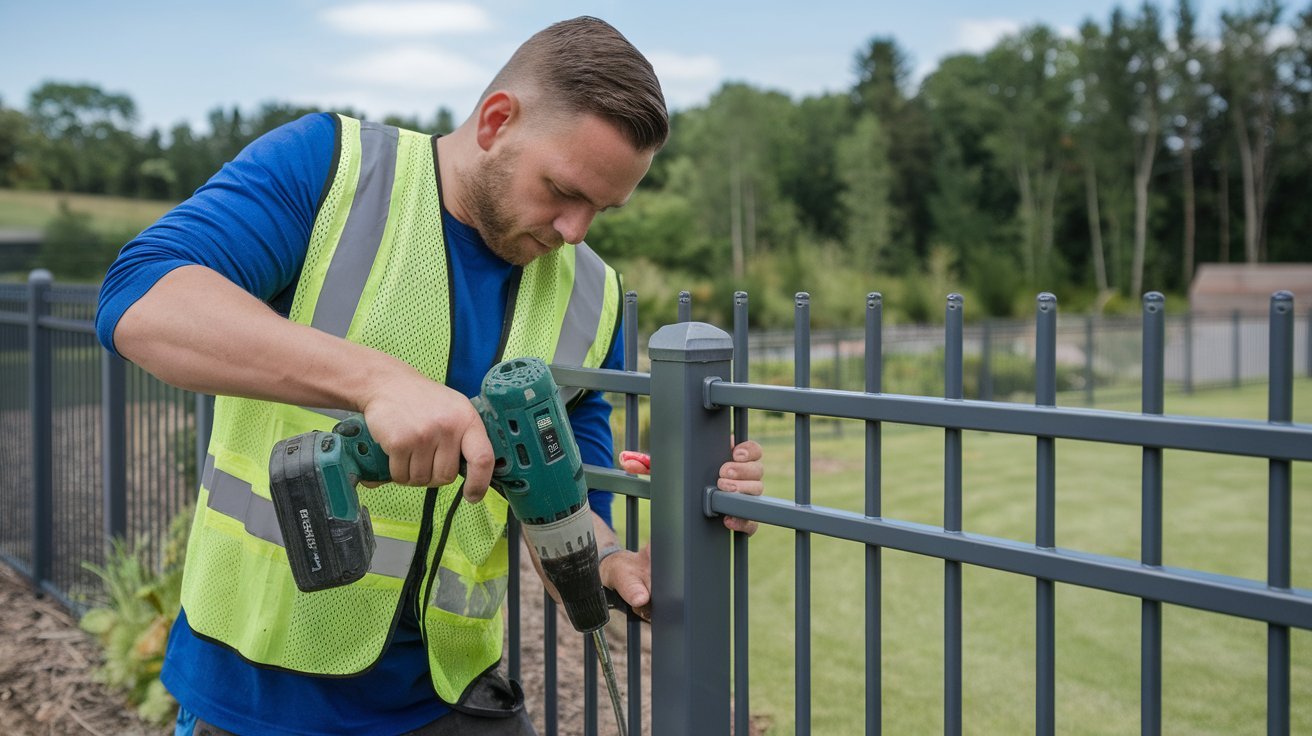
Aluminum fence installation is a popular way to improve a property’s security, appearance, privacy, and curb appeal. Aluminum fencing combines a clean appearance with relatively low maintenance. It also resists common problems such as rust and corrosion better than many traditional metal fences.
For homeowners, property managers, and contractors, understanding the installation process can make a major difference. Proper measurements, post placement, digging, leveling, fastening, and gate installation all affect the finished fence.
This guide explains how to install an aluminum fence, what materials you need, common mistakes to avoid, and important factors to consider before starting your project.
Why Choose an Aluminum Fence?
Aluminum fencing offers several advantages for residential and commercial properties. One of its biggest benefits is low maintenance. Unlike untreated steel or iron, aluminum does not develop ordinary red rust in the same way.
Many aluminum fence systems also use a durable factory-applied finish. This finish helps protect the metal from weather exposure while providing a consistent appearance.
Another advantage is weight. Aluminum is generally lighter than steel, which can make handling fence sections easier during installation.
Aluminum fencing also comes in many styles. Homeowners can choose decorative designs, picket spacing, different heights, and various colors or finishes.
However, aluminum fencing is not ideal for every purpose. Standard ornamental aluminum fences usually provide limited privacy because their pickets and rails are open. They are better suited to defining property boundaries, enclosing yards, protecting landscaping, or creating an attractive perimeter.
Tools and Materials Needed for Installation
Before beginning an aluminum fence installation project, gather the necessary tools and materials. Having everything ready can make the work much more efficient.
Typical materials include:
- Aluminum fence panels or sections
- Fence posts
- Line posts
- Corner posts
- End posts
- Gate posts
- Aluminum gates
- Post caps
- Brackets or manufacturer-supplied hardware
- Concrete or appropriate post-setting material
- Screws and fasteners
Common tools include a measuring tape, level, shovel, post-hole digger, string line, stakes, drill, bits, wrench, and rubber mallet.
Some installations may require additional equipment. Hard soil, rocky ground, slopes, or existing concrete can make the project more challenging.
Always check the manufacturer’s installation instructions before purchasing materials. Fence systems can use different post dimensions, brackets, spacing requirements, and hardware.
How to Measure and Plan an Aluminum Fence
Good planning is one of the most important parts of aluminum fence installation. A small measurement mistake can create major problems later.
Start by determining the property boundary and fence layout. Never assume that an existing structure marks the exact property line. When necessary, use a professional survey or confirm boundary information through the appropriate local authority.
Next, sketch the fence layout. Mark straight sections, corners, ends, gates, and changes in direction.
Measure each fence run separately. Record the measurements carefully and account for the width of gates and the spacing required by your particular fence system.
You should also identify underground utilities before digging. In many locations, utility-locating services can help identify buried electrical, gas, water, or communications lines.
Finally, consider the terrain. A perfectly level fence installation may not be possible on a sloped property. Your fence system may require stepping or racking to follow the grade.
Step-by-Step Aluminum Fence Installation
Once the layout is complete, you can begin installing the fence.
1. Mark the Post Locations
Use stakes and string to establish the fence line. Mark each post location according to the manufacturer’s required spacing.
Pay particular attention to corners, ends, and gates. Gate posts often require additional strength because they support the gate’s weight and withstand repeated movement.
2. Dig the Post Holes
Dig holes to the dimensions recommended by the fence manufacturer and local requirements. Hole depth can vary according to fence height, soil conditions, frost conditions, and local building requirements.
Avoid guessing when installing structural posts. Proper post depth and concrete support are essential for a stable fence.
3. Set the Posts
Place each post in its hole and check its position carefully. Use a level to keep the post vertically straight.
For many installations, concrete is used around the post. Follow the manufacturer’s instructions for the appropriate setting method.
Do not rush this stage. Once the concrete cures, correcting a badly positioned post can become difficult.
4. Install Fence Sections
After the posts are positioned correctly, attach the aluminum fence sections using the supplied brackets, screws, or other hardware.
Check the height and level of each section as you proceed.
Working from one post to the next helps maintain consistent spacing and alignment.
5. Install the Gate
The gate requires careful adjustment. Install the hinges according to the manufacturer’s instructions and attach the gate to the gate posts.
Check that it opens and closes smoothly. Adjust the hinges or latch as necessary.
A gate that is poorly aligned can sag or drag over time. Strong gate posts and accurate installation are especially important.
6. Add Post Caps and Final Hardware
Once the fence sections and gates are installed, install post caps and remaining hardware.
Walk along the entire fence and inspect each connection. Check for loose screws, leaning posts, uneven sections, or damaged finishes.
Aluminum Fence Installation on Slopes
Installing aluminum fencing on a slope requires additional planning.
Some aluminum fence systems allow sections to rack, meaning the fence follows the angle of the terrain. Other systems are designed to be installed in a stepped configuration.
Racking can create a more continuous appearance on gradual slopes. Stepping involves installing sections at different elevations, creating a series of level sections.
The correct method depends on the fence design and the steepness of the property.
Do not force standard fence sections into an angle they were not designed to accommodate. Doing so can place stress on the rails, pickets, brackets, and posts.
Common Installation Mistakes to Avoid
Even a quality aluminum fence can perform poorly when installation is rushed.
One common mistake is incorrect post spacing. Fence sections are manufactured for specific dimensions, so improper spacing can make assembly difficult.
Another mistake is failing to keep posts perfectly aligned. Small errors become increasingly noticeable as the fence continues.
Installing posts too shallow can also create stability problems. Local conditions such as frost, soil composition, and wind exposure may influence the appropriate installation requirements.
Other mistakes include:
- Ignoring property boundaries
- Digging without checking for utilities
- Installing gates without reinforced posts
- Skipping level checks
- Using incorrect fasteners
- Over-tightening hardware
- Failing to account for slopes
- Installing damaged components
Following the manufacturer’s instructions can prevent many of these problems.
Aluminum Fence Maintenance After Installation
One reason homeowners choose aluminum fencing is its low-maintenance nature.
Routine maintenance usually involves inspecting the fence periodically and cleaning dirt or debris. A garden hose and mild soap can often remove ordinary surface grime.
Inspect the fence after severe weather. Look for loose hardware, damaged sections, leaning posts, or gate alignment issues.
Vegetation should also be controlled around the fence. Plants and vines can interfere with gates and make inspections more difficult.
Avoid harsh cleaning chemicals unless the manufacturer specifically recommends them. The wrong cleaner could damage the protective finish.
Although aluminum does not normally require painting like traditional untreated iron, scratches or finish damage should still be addressed according to the manufacturer’s recommendations.
Frequently Asked Questions
Is aluminum fencing difficult to install?
Aluminum fence installation can be manageable for an experienced DIY homeowner. However, difficult terrain, large projects, gates, utility concerns, and local regulations can make professional installation worthwhile.
How deep should aluminum fence posts be?
There is no single depth that applies to every installation. Fence height, soil, frost conditions, wind exposure, and local requirements can affect post-hole dimensions. Always follow the manufacturer’s specifications and applicable local requirements.
Can aluminum fencing be installed on a slope?
Yes. Many systems can accommodate slopes through racking or stepped installation. The appropriate method depends on the fence design and terrain.
Does aluminum fencing rust?
Aluminum does not develop ordinary iron-based red rust. It can still experience corrosion or finish damage under certain conditions, so proper care remains important.
Is aluminum fencing good for privacy?
Most ornamental aluminum fences provide little privacy because they have open pickets. They are generally better for boundaries, security, landscaping, and decorative purposes.
Conclusion
A successful aluminum fence installation begins with careful planning and accurate measurements. Proper post placement, stable foundations, level sections, secure hardware, and correctly installed gates all contribute to a durable finished fence.
Aluminum is especially attractive for property owners who want low maintenance, corrosion resistance, and a clean decorative appearance. With the right fence system and installation method, it can provide an attractive boundary for many residential and commercial properties.
Before starting, confirm property boundaries, identify underground utilities, review local requirements, and carefully follow the fence manufacturer’s instructions. Taking extra time during planning can prevent expensive corrections later and help ensure that your new aluminum fence looks professional for years to come.
Business
Wasy Jet: Complete Guide, Services, Features, Travel Experience, and Everything You Need to Know in 2026

The aviation industry continues to expand rapidly in 2026, with travelers searching for affordable, convenient, and reliable flight options. Among the many airline-related searches, the term Wasy Jet has gained attention from users looking for information about budget air travel, flight services, and modern airline experiences.
While the name may appear similar to well-known low-cost airlines, understanding airline services, booking systems, passenger experiences, and travel options is important for anyone planning a journey. Modern travelers expect affordable prices, flexible booking options, comfortable flights, and efficient customer support.
This detailed guide explores Wasy Jet, its possible meaning, airline-style services, travel benefits, booking considerations, and how modern low-cost aviation continues changing the way people travel in 2026.
What Is Wasy Jet?
Wasy Jet is a term that many users search for when looking for airline information, flight options, or travel-related services. The phrase is often associated with the broader world of affordable air travel and may be confused with similarly named aviation brands.
In today’s digital environment, travelers frequently search for airline names online to find:
- Flight information
- Ticket prices
- Travel routes
- Baggage policies
- Booking details
- Customer experiences
The aviation industry has become highly competitive, with airlines focusing on affordability, convenience, and digital solutions to attract passengers.
The popularity of low-cost travel platforms demonstrates the increasing demand for accessible air transportation around the world.
The Growth of Affordable Air Travel in 2026
The airline industry has experienced major transformation over recent years. More passengers now prefer affordable travel options that allow them to explore new destinations without spending excessive amounts of money.
Budget airlines have played an important role in making air travel accessible to millions of people. These airlines typically focus on:
Lower Ticket Prices
Affordable fares allow more people to travel for holidays, business, education, and personal reasons.
Simple Booking Processes
Modern travelers expect fast and easy online booking experiences through websites and mobile applications.
Flexible Travel Options
Passengers increasingly want choices regarding luggage, seating, upgrades, and additional services.
Digital Convenience
Technology has improved every stage of travel, from searching flights to checking in online.
The growing popularity of affordable aviation services reflects changing consumer expectations in 2026.
Key Features Travelers Look for in Modern Airline Services
When searching for airline options such as Wasy Jet, passengers usually focus on several important features.
Affordable Flight Options
Price remains one of the biggest factors influencing airline choices. Travelers compare fares, routes, and available offers before making decisions.
Online Booking Systems
A smooth digital booking process is essential. Travelers prefer platforms that allow them to search flights, manage reservations, and receive updates easily.
Baggage Flexibility
Modern airlines often provide different baggage options depending on passenger needs. Clear baggage rules help travelers plan their journeys effectively.
Customer Support
Reliable customer service is an important part of the travel experience. Passengers value quick assistance with bookings, changes, and travel questions.
Convenient Routes
A strong network of destinations allows travelers to reach popular locations efficiently.
How Low-Cost Airlines Have Changed Travel
The rise of affordable airlines has completely transformed global travel habits. In the past, flying was often considered expensive and inaccessible for many people. Today, competitive pricing has allowed more individuals to experience international and domestic travel.
Low-cost aviation has benefited:
- Tourists
- Students
- Business travelers
- Families
- Frequent travelers
The growth of budget airlines has also encouraged tourism development by connecting smaller cities with major destinations.
Travelers now have more choices than ever before, making airline comparison an important part of trip planning.
Technology and the Future of Airline Experiences
Technology plays a major role in shaping modern aviation. Airlines continue adopting digital solutions to improve passenger experiences.
Important technological developments include:
Mobile Applications
Airline apps allow passengers to book flights, check schedules, manage tickets, and receive notifications.
Digital Check-In
Online check-in reduces airport waiting times and makes travel more convenient.
Artificial Intelligence Support
AI-powered systems help airlines provide faster customer assistance and personalized recommendations.
Smart Airport Solutions
Modern airports increasingly use automation, digital boarding systems, and advanced security technologies.
As aviation technology continues developing, passengers can expect faster, smoother, and more personalized travel experiences.
Benefits of Choosing Affordable Flight Services
Affordable airline services provide several advantages for modern travelers.
Cost Savings
Lower fares allow passengers to spend more money on accommodation, activities, and experiences at their destination.
Greater Travel Opportunities
Affordable flights encourage people to explore more places and travel more frequently.
Easy Planning
Digital booking platforms make it easier to compare options and organize trips.
Accessibility
Budget aviation helps connect more communities and provides opportunities for people who may not have traveled previously.
Flexible Choices
Passengers can often customize their travel experience by selecting additional services based on their preferences.
Travel Tips for Passengers in 2026
When searching for airline services like Wasy Jet, travelers should consider several important factors before booking.
Compare Prices Carefully
The cheapest ticket is not always the best option. Travelers should consider baggage costs, flight times, and additional fees.
Check Travel Requirements
Passengers should review visa requirements, airport rules, and destination regulations before traveling.
Book Early
Early booking often provides better prices and more available options.
Review Airline Policies
Understanding cancellation, refund, and baggage policies helps avoid unexpected problems.
Use Official Travel Platforms
Passengers should always verify airline information through reliable sources before completing bookings.
The Future of Wasy Jet and Modern Aviation
The future of aviation in 2026 and beyond will continue to focus on affordability, technology, and passenger satisfaction.
Airlines are expected to invest in:
- Sustainable aircraft technology
- Improved digital services
- Better customer experiences
- Faster airport processes
- More personalized travel solutions
The aviation industry is moving toward a future where travel becomes easier, smarter, and more accessible.
As demand for affordable flights continues increasing, airline-related searches such as Wasy Jet demonstrate the growing interest in convenient travel solutions.
Conclusion
Wasy Jet represents the growing interest in affordable and accessible air travel in 2026. As travelers continue searching for convenient flight options, the aviation industry continues adapting through better technology, competitive pricing, and improved passenger experiences.
Modern air travel is no longer only about reaching a destination. It is about convenience, flexibility, affordability, and creating positive experiences throughout the journey.
With continued innovation in digital services and aviation technology, the future of budget-friendly travel looks promising. Travelers can expect more choices, improved services, and easier ways to explore the world.
Frequently Asked Questions (FAQ)
What is Wasy Jet?
Wasy Jet is a term searched by users interested in airline services, affordable flights, and modern air travel options.
Why are low-cost airlines popular?
Low-cost airlines are popular because they provide affordable fares and make travel accessible to more people.
What should travelers check before booking flights?
Travelers should check ticket prices, baggage rules, schedules, cancellation policies, and travel requirements.
How has technology improved airline travel?
Technology has improved booking systems, digital check-in, customer support, and overall passenger experiences.
What is the future of affordable air travel?
The future of affordable aviation will focus on sustainability, digital innovation, convenience, and improved passenger services.
Business
Kársperski (Kaspersky) in 2026: Complete Guide to Cybersecurity, Features, Benefits, Pricing, and Online Protection

In today’s digital world, protecting personal and business data has become more important than ever. When people search for “Kársperski,” they are generally referring to Kaspersky, one of the world’s leading cybersecurity companies known for its antivirus software and comprehensive internet security solutions. Over the years, Kaspersky has built a global reputation for detecting malware, ransomware, phishing attacks, and other cyber threats.
As cybercriminals continue to develop more sophisticated attacks in 2026, choosing reliable security software is essential. This comprehensive guide explores Kársperski (Kaspersky), including its history, key features, products, pricing, advantages, disadvantages, system requirements, and why millions of users continue to rely on its cybersecurity solutions.
What Is Kársperski (Kaspersky)?
Kársperski, commonly spelled Kaspersky, is a globally recognized cybersecurity company that develops antivirus software, internet security products, endpoint protection solutions, VPN services, password managers, and advanced threat detection technologies.
Founded in 1997, Kaspersky has grown into one of the most recognizable names in cybersecurity. Its products are used by individual users, small businesses, enterprises, educational institutions, and government organizations across many countries.
The company’s primary mission is to protect users from digital threats, including:
- Viruses
- Ransomware
- Spyware
- Phishing attacks
- Trojans
- Rootkits
- Identity theft
- Online fraud
- Malicious websites
- Zero-day vulnerabilities
Its cloud-assisted detection technologies continuously analyze emerging threats to help keep users protected in real time.
Key Features of Kársperski Security Software
One reason millions of people choose Kaspersky is its comprehensive set of security tools designed to protect modern devices.
Real-Time Antivirus Protection
The software continuously scans files, downloads, emails, and applications for malicious activity, helping prevent infections before they can damage your system.
Advanced Malware Detection
Using a combination of signature-based detection, behavioral analysis, machine learning, and cloud intelligence, Kaspersky identifies both known and emerging threats.
Ransomware Protection
Dedicated anti-ransomware technologies monitor suspicious behavior to stop unauthorized encryption of personal files.
Safe Browsing
Kaspersky blocks malicious websites, phishing pages, and dangerous downloads before users interact with them.
Firewall Security
Integrated firewall protection monitors incoming and outgoing network traffic to reduce unauthorized access.
Privacy Protection
Security tools help prevent webcam spying, microphone misuse, and unauthorized application access.
Password Manager
Users can securely store passwords, payment information, and personal credentials using encrypted vault technology.
VPN Service
Some subscription plans include a secure Virtual Private Network (VPN), allowing encrypted internet browsing and improved online privacy.
Kaspersky Product Line in 2026
Kaspersky offers multiple cybersecurity solutions designed for different user needs.
Kaspersky Standard
Provides essential antivirus protection, malware detection, phishing defense, and performance optimization.
Kaspersky Plus
Includes additional privacy tools, unlimited VPN features in supported plans, password management, and enhanced security.
Kaspersky Premium
Offers advanced identity protection, premium technical support, parental controls, and comprehensive online security.
Business Security Solutions
Organizations can deploy enterprise-grade endpoint protection, cloud security, email protection, server security, and centralized management tools.
This broad product portfolio allows users to select protection that matches their personal or professional requirements.
Benefits of Using Kársperski Antivirus
There are several reasons why Kaspersky remains a popular cybersecurity solution.
Excellent Malware Detection
Independent testing organizations have consistently recognized Kaspersky for achieving high malware detection rates.
User-Friendly Interface
The software features a clean dashboard that makes navigation simple for both beginners and experienced users.
Fast Performance
Modern optimization reduces system impact while maintaining strong real-time protection.
Multi-Device Compatibility
Kaspersky supports multiple platforms, including:
- Windows
- macOS
- Android
- iPhone and iPad (iOS)
Frequent Security Updates
Automatic updates ensure users receive protection against newly discovered threats.
Identity Protection
Advanced privacy features help reduce the risk of identity theft and credential compromise.
How Kársperski Protects Against Modern Cyber Threats
Cybersecurity threats continue evolving every year. Kaspersky combines several technologies to defend against increasingly sophisticated attacks.
Artificial Intelligence
Machine learning models analyze suspicious software behavior to detect new malware variants.
Behavior Monitoring
Instead of relying solely on virus signatures, behavioral analysis identifies suspicious activity before significant damage occurs.
Cloud Security Intelligence
Threat information collected worldwide allows rapid identification of newly emerging cyber threats.
Phishing Prevention
The software blocks fraudulent websites attempting to steal passwords, banking credentials, or personal information.
Secure Online Payments
Some Kaspersky products include protected browser environments designed for safer online banking and shopping.
These layered security technologies provide comprehensive protection across different types of digital risks.
Pricing, System Requirements, and Installation
Kaspersky offers subscription-based plans with different feature sets depending on user needs.
Typical subscription options include:
- Single-device licenses
- Multi-device family plans
- Business subscriptions
- Annual renewal plans
Installation is generally straightforward:
- Download the installer from the official source.
- Sign in or create an account.
- Activate the subscription key.
- Complete installation.
- Run the initial system scan.
- Enable automatic updates.
The software supports modern versions of Windows, macOS, Android, and iOS with reasonable hardware requirements, making it suitable for both older and newer devices.
Conclusion
Kársperski (Kaspersky) remains one of the most recognized names in cybersecurity in 2026. With its combination of real-time antivirus protection, ransomware defense, phishing prevention, privacy tools, password management, and advanced threat detection, it continues to serve millions of users worldwide. Whether protecting a personal computer, mobile device, or business network, Kaspersky offers a broad range of security solutions designed to help users navigate today’s increasingly complex digital landscape. By selecting the subscription plan that best fits individual needs and keeping software up to date, users can significantly improve their protection against modern cyber threats.
Frequently Asked Questions About Kársperski
What is Kársperski?
Kársperski generally refers to Kaspersky, a cybersecurity company known for antivirus software, internet security solutions, VPN services, and privacy protection tools.
Is Kaspersky good in 2026?
Kaspersky continues to provide comprehensive malware detection, ransomware protection, phishing defense, and privacy features. However, users should also consider local regulations and organizational policies regarding software selection.
Does Kaspersky remove viruses?
Yes. Kaspersky is designed to detect, quarantine, and remove many types of malware, including viruses, ransomware, spyware, and trojans.
Can Kaspersky protect multiple devices?
Yes. Many subscription plans support protection for several Windows, macOS, Android, and iOS devices under a single license.
Does Kaspersky include a VPN?
Some subscription tiers include a VPN service, while availability depends on the selected plan and region.
Is Kaspersky suitable for businesses?
Yes. Kaspersky offers enterprise-grade cybersecurity solutions with centralized management, endpoint protection, and advanced threat detection for organizations.

2026 GMC 2500: Complete Guide to the Sierra 2500 HD, Specs, Towing, Engine, Features, and Price

Charlie Kirk Graphic Video: What Happened, How the Footage Spread, and What Viewers Should Know

NR2003: The Complete Guide to NASCAR Racing 2003 Season in 2026


 Celebrity3 months ago
Jack Wilson: Biography, Career, Achievements, and Lasting Legacy
- Celebrity3 months ago
Kent Bateman: Biography, Career, Family, and Legacy in the Entertainment Industry
- Celebrity2 months ago
Enzo Lopez: Biography, Age, Career, Family, Social Media Success, and Future Plans
- Business2 months ago
Zingyzon.com: Complete Guide to Features, Benefits, User Experience, and What You Should Know
- Blog2 months ago
9×3: Understanding the Multiplication of 9 and 3 with Examples, Applications, and Learning Tips
- Celebrity3 months ago
Jerry Stokes: Biography, Career, Leadership, Achievements, and Lasting Legacy
- Blog2 months ago
Thursday in Spanish: Meaning, Pronunciation, Usage, and Cultural Significance
- Celebrity2 months ago
Margie Washichek: Biography, Early Life, Relationship, Career, and Legacy (2026 Guide)