History
Fascisterne: Meaning, History, Fascism, and the Danish Context in 2026

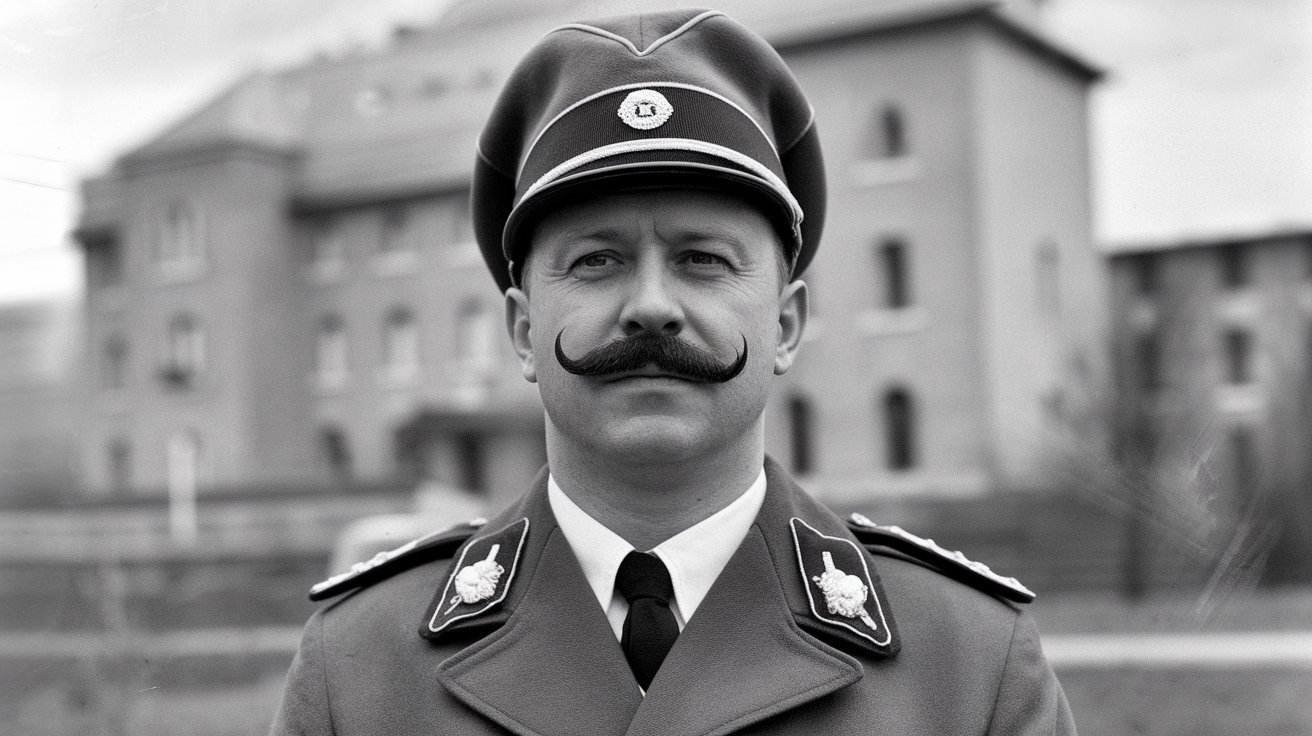
The Danish word fascisterne translates most directly into English as “the fascists.” Although the translation is simple, the historical and political context behind the word is much broader. Fascisterne is a grammatical form referring to a particular or previously identified group of people associated with fascism, rather than being the name of one specific political party or ideology.
For readers encountering the term in Danish history, European history, World War II material, political writing, or online discussions, understanding the distinction between fascisterne, fascist, and fascisme is essential. Danish uses noun endings to express number and definiteness, which explains why the word looks different from the English “fascists.” Current Danish-language explanations consistently identify fascisterne as the definite plural form of fascist.
The historical context is particularly important because fascist movements developed across Europe during the twentieth century. Italy under Benito Mussolini became the most prominent early example, while other movements later developed their own distinctive forms. Denmark also had fascist and National Socialist organizations before and during the German occupation.
What Does Fascisterne Mean in Danish?
Fascisterne means “the fascists.” Grammatically, it is the definite plural form of the Danish noun fascist. The word therefore refers to people rather than to fascism as an ideology.
The basic forms can be understood as follows:
| Danish | English |
|---|---|
| fascist | a fascist |
| fascisten | the fascist |
| fascister | fascists |
| fascisterne | the fascists |
| fascisme | fascism |
| fascistisk | fascist / fascistic |
The ending -erne is significant because it expresses the definite plural. Consequently, translating fascisterne simply as “fascists” misses the specific meaning carried by the Danish grammar. The closest direct translation is “the fascists.”
It is equally important not to interpret Fascisterne as the official name of a single historical organization. Depending on the surrounding sentence, a Danish writer could use the word when discussing Italian Fascists, Danish fascists, Nazi activists, or another group identified as fascist.
The context determines the reference.
Fascisterne and Fascisme Are Not the Same
A common source of confusion is the difference between fascisterne and fascisme.
Fascisterne refers to people. Fascisme refers to fascism, the political ideology and associated movements. This distinction is particularly important when translating Danish historical sources because changing one term into the other can alter the meaning of an entire sentence.
Fascism emerged as a major political force in Europe after the First World War. It is associated historically with authoritarian politics, intense nationalism, rejection of liberal democratic principles, political repression, propaganda, and the use or glorification of political violence, although fascist movements differed substantially from one another.
The word itself has roots connected to the Italian fascismo and the fasces, a bundle of rods that had represented authority in ancient Roman imagery. The symbol was adopted by Mussolini’s movement and became strongly associated with Italian Fascism.
The broader history therefore extends well beyond the Danish word. When we encounter fascisterne, we are often encountering a linguistic doorway into a much larger historical subject.
The Rise of Fascism in Europe
Fascism developed in a period marked by political instability, economic disruption, social conflict, and dissatisfaction with existing institutions. Benito Mussolini and the Italian Fascist movement became the best-known early example. Mussolini came to power in Italy in 1922 and subsequently established a dictatorship.
Italian Fascism emphasized national unity, centralized authority, obedience to the state, and the suppression of political opposition. Independent political activity was increasingly restricted, while propaganda and organized political violence became important tools of the regime.
Other European movements subsequently adopted or adapted fascist ideas. However, they were not identical copies of Italian Fascism. Political movements in Germany, Spain, and elsewhere developed their own ideological priorities and political structures.
This is why historical writing requires precision. Fascism is a broad historical category, while individual movements must be examined according to their own beliefs, organizations, policies, and actions.
Nazism in Germany is particularly important in this discussion. It shared characteristics with other fascist movements, including authoritarianism, extreme nationalism, anti-democratic politics, propaganda, and political violence. Yet Nazism also had distinctive racial and antisemitic doctrines that were central to its worldview. For that reason, the terms “Nazi” and “fascist” should not automatically be treated as perfectly interchangeable.
Fascisterne and Denmark’s History
The term fascisterne has particular relevance when studying Denmark during the 1930s and the Second World War. Denmark had its own radical right-wing movements, including organizations influenced by Italian Fascism and German National Socialism.
One of the most historically significant organizations was Danmarks Nationalsocialistiske Arbejderparti (DNSAP), or the Danish National Socialist Workers’ Party. DNSAP was founded in 1930 and was strongly influenced by Germany’s NSDAP. Historical accounts describe its use of nationalist, antisemitic, and anti-parliamentary ideas and its adoption of elements of Nazi political organization and symbolism.
DNSAP should not simply be equated with the Danish word fascisterne. DNSAP is the name of a particular organization, whereas fascisterne is a general noun meaning “the fascists.” A Danish historical text might use the general term when discussing members or supporters of a fascist or National Socialist movement, but the exact reference must be established from the surrounding passage.
Denmark was occupied by Germany from 1940 to 1945, creating a complicated political environment involving occupation authorities, Danish institutions, collaboration, resistance, and competing political movements. Danish fascist and Nazi organizations existed within this broader historical setting.
How Fascisterne Should Be Understood in Historical Sources
When we encounter fascisterne in a Danish article, book, archive, or historical document, the most reliable approach is to examine the surrounding information before deciding exactly who the word describes.
We should ask several questions:
- Which country is being discussed?
- What historical period is involved?
- Is a specific organization named nearby?
- Does the writer mean Italian Fascists, Danish fascists, German Nazis, or another movement?
- Is the word being used historically or as a modern political description?
These questions are especially important because the word can appear in both historical and contemporary political writing.
In a historical source, fascisterne may simply be a descriptive reference to a documented group. In modern political debate, “fascist” can also be used as a broader political accusation or characterization. That does not automatically establish that the person or group being labeled meets a particular historical definition. The evidence and context need to be examined separately.
This distinction helps us avoid turning a general Danish grammatical expression into the name of a specific organization or assuming that every modern use carries the same historical meaning.
Why Fascisterne Remains an Important Historical Term
The continuing relevance of fascisterne comes primarily from the historical importance of fascist movements during the twentieth century. The rise of authoritarian regimes, the destruction of democratic institutions, political persecution, propaganda, mass violence, and the Second World War transformed European history.
Studying these movements allows us to understand how political organizations can develop within periods of social and institutional instability. It also demonstrates the importance of examining primary sources, historical evidence, political structures, and specific policies rather than relying solely on labels.
For Danish readers, the term also provides an opportunity to study the country’s own political history. Denmark’s experience before and during the German occupation included the development of radical political organizations as well as the later consequences of occupation, collaboration, and resistance.
The word therefore has both a linguistic meaning and a substantial historical context.
Frequently Asked Questions About Fascisterne
What does Fascisterne mean?
Fascisterne is Danish for “the fascists.” It is the definite plural form of fascist and refers to a particular group of people associated with fascism.
Is Fascisterne the name of a political party?
No. Fascisterne is a general Danish noun, not inherently the official name of a specific political organization.
What is the difference between Fascisterne and Fascisme?
Fascisterne means “the fascists” and refers to people. Fascisme means “fascism” and refers to the political ideology or movement.
What was DNSAP?
DNSAP was the Danish National Socialist Workers’ Party, a Danish Nazi organization founded in 1930. It was strongly influenced by Germany’s NSDAP and existed until 1945.
Is fascism the same as Nazism?
They are historically related, but they should not automatically be treated as identical. Nazism developed distinctive racial and antisemitic doctrines, while fascist movements in different countries varied in their beliefs and priorities.
Why might Fascisterne appear in Danish history?
The word can appear when discussing fascist movements, Danish radical-right organizations, Nazi movements, European fascism, or political developments surrounding the Second World War. Its precise reference depends on the source.
Conclusion
Fascisterne means “the fascists” in Danish. Its grammar is straightforward: fascist refers to a fascist, fascister means fascists, and fascisterne means the fascists. The related word fascisme refers instead to fascism itself.
The historical meaning of the term is much larger than its translation. It connects to the rise of fascism in Europe, Mussolini’s Italy, Nazi Germany, political authoritarianism, propaganda, political violence, and Denmark’s own fascist and National Socialist movements.
For accurate interpretation, the most important principle is context. Fascisterne does not automatically identify one party or organization. The country, date, political movement, and surrounding text determine exactly which people a Danish writer has in mind. That distinction allows us to understand the term accurately while keeping its linguistic meaning separate from the complex history of fascism.



 Celebrity3 months ago
Kent Bateman: Biography, Career, Family, and Legacy in the Entertainment Industry
- Celebrity3 months ago
Jack Wilson: Biography, Career, Achievements, and Lasting Legacy
- Celebrity3 months ago
Enzo Lopez: Biography, Age, Career, Family, Social Media Success, and Future Plans
- Business3 months ago
Zingyzon.com: Complete Guide to Features, Benefits, User Experience, and What You Should Know
- Celebrity3 months ago
Jerry Stokes: Biography, Career, Leadership, Achievements, and Lasting Legacy
- Blog3 months ago
9×3: Understanding the Multiplication of 9 and 3 with Examples, Applications, and Learning Tips
- Tech3 months ago
From TurboGeek.org Blog: The Complete 2026 Guide to Technology, Artificial Intelligence, Digital Innovation, and Smart Online Resources
- Celebrity3 months ago
Margie Washichek: Biography, Early Life, Relationship, Career, and Legacy (2026 Guide)