Animal
Chipmunk Sounds: What They Mean, Why Chipmunks Make Them, and How to Identify Them in 2026
Published
3 days agoon

Table of Contents
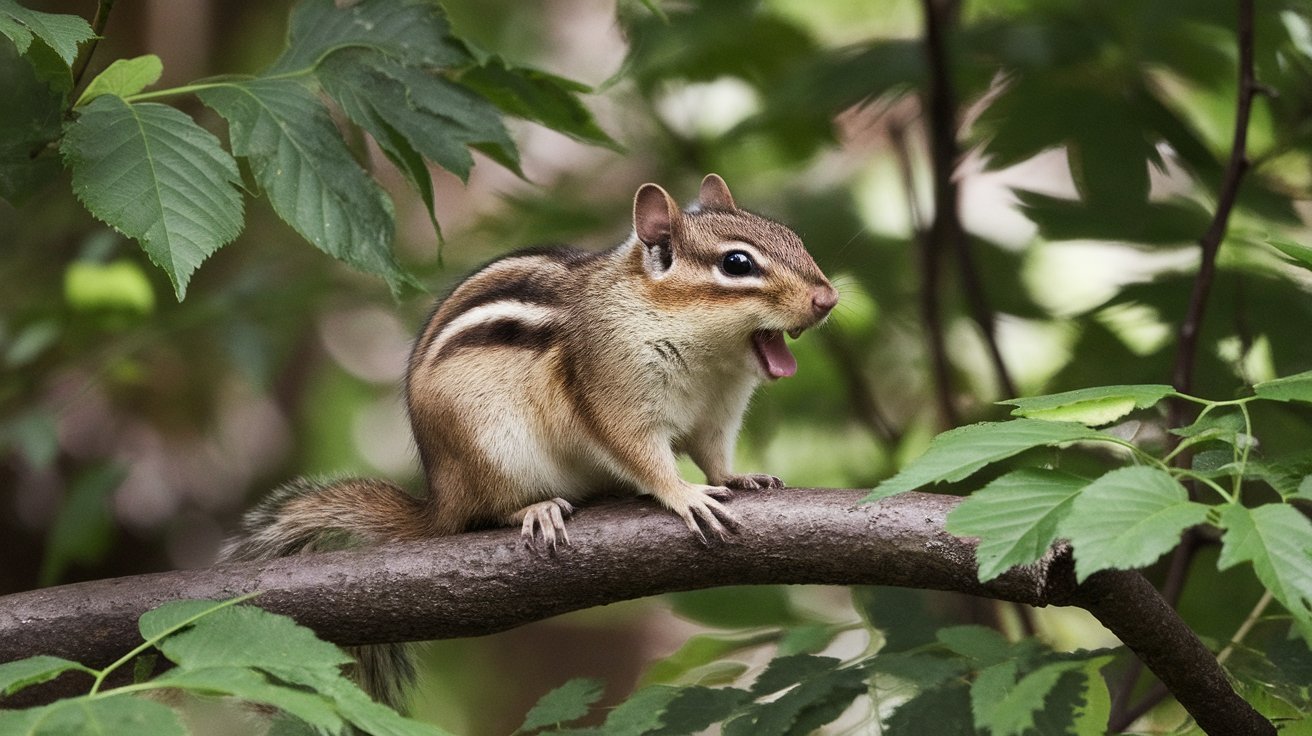
ToggleChipmunk sounds are surprisingly varied for such small animals. Although chipmunks are often recognized by their striped bodies and quick movements, their vocal behavior can reveal a great deal about what they are experiencing. From sharp chipmunk chirps and calls to rapid chattering and warning sounds, these small mammals use different noises to communicate with one another and respond to their surroundings.
When we hear a chipmunk making repeated noises near a garden, woodland, porch, or backyard, it can be difficult to understand what the sound means. Is the animal frightened? Is it warning another chipmunk? Is it defending its territory? Or is it simply communicating with a nearby companion?
In this comprehensive 2026 guide, we explore what chipmunk sounds mean, the different types of calls chipmunks make, why they vocalize, and how we can distinguish chipmunk noises from sounds made by squirrels, birds, and other wildlife.
What Do Chipmunk Sounds Sound Like?
Chipmunk vocalizations are generally high-pitched, quick, and repetitive. Depending on the situation, a chipmunk may produce a sharp chirp, squeak, chatter, whistle-like call, or series of rapid notes. Some calls can sound surprisingly similar to those of small birds, which is one reason people sometimes have difficulty identifying them.
One of the most recognizable chipmunk sounds is a short, sharp “chip” or “chuck” repeated several times. The animal may remain relatively still while making the call, or it may move quickly between rocks, bushes, trees, and other hiding places. A repeated call often indicates that the chipmunk is responding to something it considers important.
Chipmunks also produce softer vocalizations during close interactions. Young chipmunks can make sounds when communicating with their mother, while adults may vocalize during encounters with other chipmunks. The exact sound can vary according to the species, age of the animal, environmental conditions, and immediate situation.
Because chipmunks are small prey animals, many of their vocalizations are connected with awareness, communication, and danger. Their calls can therefore be an interesting window into how they interact with their environment.
Why Do Chipmunks Make Noises?
There is no single reason behind every chipmunk sound. Like many wild mammals, chipmunks use vocalizations as part of a broader communication system. Predator detection and alarm communication are among the most important reasons they become noticeably vocal.
If a chipmunk sees a potential predator, such as a cat, hawk, fox, dog, or other threat, it may produce a series of sharp calls. The animal might also freeze, run toward cover, climb onto a rock, or disappear into its burrow. The vocalization can function as an alarm signal, potentially alerting other nearby chipmunks that something dangerous is present.
Chipmunks may also vocalize during territorial encounters. Although their social behavior differs depending on species and season, conflicts can occur when animals encounter one another around food, shelter, or territory. Chattering, squeaking, or other rapid sounds may accompany these interactions.
Another important reason is social communication. Chipmunks are not constantly vocal, but communication becomes particularly noticeable during certain interactions and periods of activity. Mothers and young can communicate through vocal and behavioral signals, especially when the young are still dependent.
Common Types of Chipmunk Sounds and Their Meanings
Understanding the different categories of chipmunk vocalizations makes identification much easier. While scientists and wildlife observers may describe calls using specialized terminology, we can broadly group common sounds according to how they appear and when they occur.
1. Chipmunk Chirping
A chirp is one of the sounds people most commonly associate with chipmunks. It can be short and sharp, sometimes repeated at regular or irregular intervals. A chipmunk may chirp when it notices something unusual or when another animal enters its surroundings.
2. Chipmunk Chattering
Chattering sounds can be faster and more continuous than individual chirps. They may occur during interactions with other chipmunks or when an animal is highly alert. The sound can seem almost conversational, although we should not interpret it as human-like speech.
3. Chipmunk Squeaking
A squeak is generally higher and softer than a loud alarm call. Young animals may produce squeaking sounds, while adults can also vocalize during close encounters or stressful situations.
4. Chipmunk Warning Calls
One of the most interesting categories is the alarm or warning call. These sounds can be repeated rapidly when a chipmunk detects danger. The animal may simultaneously display alert body language, such as standing upright, staring toward a threat, flicking its tail, or quickly moving toward shelter.
How Chipmunk Alarm Sounds Work
A chipmunk’s alarm behavior is particularly fascinating because sound is only one part of the animal’s response. When danger appears, the chipmunk must balance warning others with protecting itself.
We may notice a chipmunk sitting upright and repeatedly calling from an exposed location. It may then suddenly run toward a burrow or dense vegetation. In other circumstances, it may remain hidden and continue making sounds.
The context is therefore essential. A repeated high-pitched call does not automatically mean the chipmunk is angry. It could be responding to a predator, an unfamiliar movement, another chipmunk, or a sudden environmental disturbance.
Weather can also affect how easily we hear these animals. During quiet mornings, sounds may travel farther, making chipmunks appear more vocal than they actually are. In contrast, wind, rain, traffic, and human activity can make their calls difficult to detect.
Chipmunk Sounds vs. Squirrel and Bird Sounds
Identifying wildlife by sound can be challenging because many small animals produce high-frequency calls. Chipmunks and squirrels, for example, can both make sharp warning noises. Birds can be even more difficult to distinguish because some bird calls have a similar pitch and rhythm.
The location of the sound provides an important clue. A chipmunk will frequently remain close to the ground, particularly around rocks, logs, shrubs, gardens, foundations, and burrow entrances. Birds, on the other hand, commonly vocalize from trees, bushes, rooftops, or other elevated locations.
Behavior provides another clue. If we see a small striped animal repeatedly stopping, looking around, and producing sharp sounds from near the ground, a chipmunk becomes a strong possibility.
However, sound alone should not always be treated as definitive identification. Visual confirmation, location, timing, and the animal’s behavior provide a much more reliable identification method.
When Are Chipmunks Most Vocal?
Chipmunk activity generally increases during daylight, and vocalizations are often easiest to notice when the animals are actively moving around their habitat. Morning and daytime activity can provide excellent opportunities for observing their behavior, although exact activity patterns vary according to weather, season, species, and local conditions.
During periods of increased activity, chipmunks may spend more time searching for food, moving between shelters, interacting with other animals, and responding to potential threats. Consequently, we may hear more calls.
Seasonal changes can also influence behavior. During warmer months, chipmunks commonly become more visible as they forage and move through their surroundings. In colder regions, their activity can decrease substantially during winter, although chipmunks generally do not enter a true deep hibernation in the same way as some other mammals.
If we want to observe chipmunk sounds in the wild, quiet outdoor areas with natural cover are often better than busy locations. Remaining still and avoiding sudden movements can increase the chances of seeing the animal responsible for a particular call.
Frequently Asked Questions About Chipmunk Sounds
What sound does a chipmunk make?
Chipmunks can make chirps, squeaks, chattering sounds, and sharp warning calls. Their vocalizations are usually high-pitched and relatively short.
Why is a chipmunk chirping at me?
A chipmunk may be chirping because it has noticed your presence and considers you unusual or potentially threatening. However, the sound could also be directed toward another animal or caused by a nearby disturbance.
Do chipmunks make sounds at night?
Chipmunks are primarily day-active animals, so nighttime vocalizations are less typical. If we hear a similar sound after dark, another animal may be responsible.
Do chipmunks scream?
Chipmunks can produce loud, high-pitched vocalizations that may sound like a scream or squeal to human listeners, particularly during stressful encounters.
Can chipmunk sounds attract other chipmunks?
Some vocalizations can function as communication between individuals. However, the meaning depends heavily on context, behavior, and the type of call rather than simply attracting other animals.
Conclusion: Understanding the Language of Chipmunks
Chipmunk sounds may seem simple at first, but they represent an important part of the animal’s communication and survival strategy. Chirping, squeaking, chattering, and alarm calls can occur in different situations, including predator awareness, social interactions, territorial encounters, and communication between family members.
When we hear a chipmunk repeatedly calling from a garden, woodland, or backyard, we can learn more by observing the animal’s body language, surroundings, movement, and timing. A sharp repeated call accompanied by alert behavior may indicate danger, while softer sounds may occur during closer social interactions.
Ultimately, understanding chipmunk vocalizations gives us a fascinating glimpse into the behavior of these small mammals. The next time we hear a mysterious high-pitched chipmunk chirp, paying attention to what is happening around the animal may tell us much more than the sound itself.

You may like
Trending
Celebrity2 months agoKent Bateman: Biography, Career, Family, and Legacy in the Entertainment Industry
Celebrity2 months agoEnzo Lopez: Biography, Age, Career, Family, Social Media Success, and Future Plans
Celebrity2 months agoJack Wilson: Biography, Career, Achievements, and Lasting Legacy
Business2 months agoZingyzon.com: Complete Guide to Features, Benefits, User Experience, and What You Should Know
Celebrity2 months agoMargie Washichek: Biography, Early Life, Relationship, Career, and Legacy (2026 Guide)
Celebrity2 months agoJerry Stokes: Biography, Career, Leadership, Achievements, and Lasting Legacy
Blog2 months agoThursday in Spanish: Meaning, Pronunciation, Usage, and Cultural Significance
Blog2 months ago9×3: Understanding the Multiplication of 9 and 3 with Examples, Applications, and Learning Tips