Fashion
Blazertje: Meaning, Dutch Origins, Fashion Style, and How to Wear It in 2026

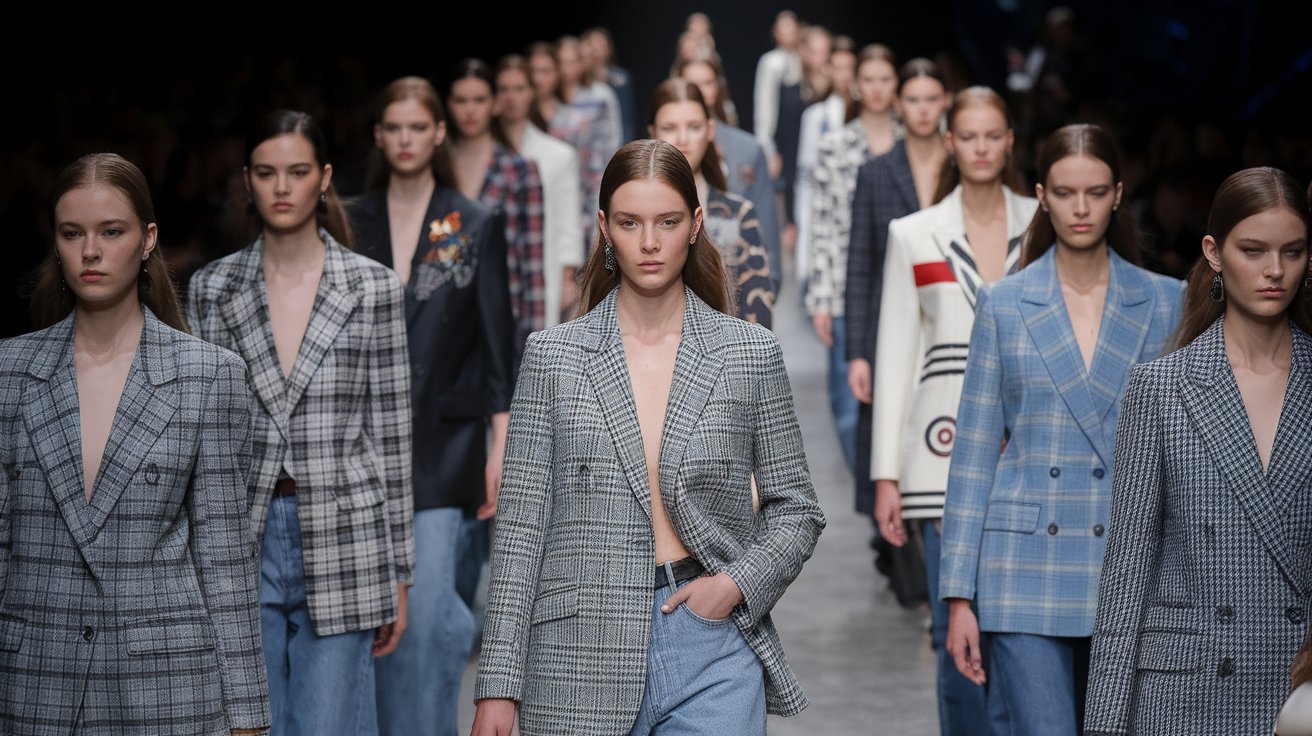
Blazertje is a Dutch word that has recently attracted attention in English-language fashion searches. At first glance, it can look like the name of a new clothing trend, a particular blazer cut, or even a fashion brand. In reality, its most straightforward meaning comes from Dutch grammar: blazertje is the diminutive form of blazer and can be translated as “little blazer” or “small blazer.”
That explanation, however, needs an important qualification. A Dutch diminutive does not always mean that an object is physically small. Dutch speakers use diminutives frequently to express smallness, familiarity, informality, affection, or a softer tone. Consequently, blazertje does not automatically describe a blazer with one fixed size, cut, fabric, or construction.
In modern online fashion content, the term is sometimes used more loosely for a lighter, shorter, softer, or more casual blazer. This interpretation can be useful when shopping or reading fashion articles, but it should not be confused with the basic linguistic meaning. Understanding that distinction gives us a much clearer picture of what blazertje actually means in 2026.
What Does Blazertje Mean?
The simplest definition is “little blazer.” The word consists of the base noun blazer and the Dutch diminutive ending -tje. Dutch uses several diminutive endings, including -je, -tje, -etje, and -pje, with the appropriate form depending on the word and its pronunciation.
The structure can therefore be understood as:
- Blazer = blazer
- Blazertje = little blazer / small blazer
The important point is that “-tje” adds more than a literal measurement of physical size. Dutch diminutives are extremely common in everyday language and can make a noun sound smaller, friendlier, more familiar, or more informal. A word with a diminutive ending may therefore describe something that is not particularly tiny at all.
This explains why translating blazertje exclusively as “tiny blazer” can be misleading. Depending on the sentence, a Dutch speaker may simply be referring to a blazer in a casual or familiar way.
For English-speaking readers, this linguistic background is essential because some online fashion articles present blazertje as though it were a formally standardized new category of jacket. The evidence supports a more nuanced interpretation: it is first a Dutch diminutive, while its fashion meaning depends on context.
Is Blazertje a Specific Type of Blazer?
Not necessarily. There is no single universally fixed design that every blazertje must follow. It does not automatically have to be cropped, fitted, lightweight, oversized, beige, unlined, or made from a particular material. Recent fashion explanations similarly emphasize that the term does not establish one standardized cut or construction.
In practical fashion usage, however, blazertje is sometimes associated with a more relaxed and approachable version of traditional tailoring. Some English-language fashion content uses it for shorter, softer, lighter, or less structured blazers.
That interpretation can be useful when discussing contemporary clothing, but the garment itself should always be evaluated by its actual characteristics.
When shopping for a blazer described as a blazertje, we should examine:
- Length
- Shoulder construction
- Overall fit
- Fabric weight
- Lining
- Sleeve length
- Number and placement of buttons
- Single-breasted or double-breasted construction
- Degree of tailoring
- Collar and lapel design
These details tell us much more about the jacket than the word blazertje alone.
Blazertje vs. a Traditional Blazer
A conventional blazer is already a remarkably versatile garment. It can be structured and professional or relaxed and casual. It can be worn with tailored trousers, jeans, skirts, dresses, chinos, or other everyday clothing.
A blazertje can overlap with all of these styles because the Dutch word does not establish a completely separate garment category.
The difference is often one of language and tone rather than construction. Blazer is the ordinary base word, while blazertje introduces the diminutive form and may make the garment sound smaller, softer, more casual, or more familiar.
Some contemporary fashion websites interpret that softer language visually, associating blazertje with relaxed tailoring, lighter fabrics, reduced shoulder padding, or shorter silhouettes.
This can explain why someone searching for blazertje may see pictures of cropped or unstructured jackets. Those are possible fashion interpretations, not mandatory requirements of the Dutch word.
The distinction is particularly important for online shopping. A product called a blazertje should not be assumed to have a particular fit until the retailer’s measurements and product description have been checked.
How to Style a Blazertje in 2026
The appeal of the blazertje style is its ability to combine some of the polish of tailoring with the ease of everyday clothing. A relaxed blazer can work across several settings without making an outfit appear excessively formal.
For a casual look, we can pair a softer blazer with straight-leg jeans, a simple T-shirt, and sneakers. This combination preserves the clean lines of tailoring while keeping the overall outfit relaxed.
For work or smart-casual settings, a blazertje can be worn with tailored trousers, a blouse, a fine-knit top, or loafers. The result depends heavily on the fabric and structure of the jacket. A more structured version will appear more professional, while an unlined or lightweight version can create a more relaxed impression.
A blazer can also work with a dress or skirt. This approach is useful when we want an outfit to move between daytime and evening settings. Shorter jackets can visually change the proportions of an outfit, while longer relaxed blazers create a different silhouette.
For warmer weather, linen, cotton, lightweight wool, and blended fabrics can provide different levels of breathability and structure. In cooler seasons, heavier wool blends and lined constructions can provide additional warmth.
The key principle is simple: style the actual garment rather than relying on the label.
Choosing the Right Blazertje for Your Wardrobe
When selecting a blazertje, fit should come before the name. A jacket can have the perfect description but still feel uncomfortable or look unbalanced if the shoulders, sleeves, or body do not fit correctly.
The shoulders are especially important. They should sit naturally without excessive pulling or collapsing. The sleeves should also finish at a practical point for the intended styling.
Next, consider the length and silhouette. A cropped blazer creates a different visual proportion from a long, oversized jacket. Neither is automatically better; the choice depends on the outfit and personal preference.
Fabric is equally important. A structured wool blend can create a polished appearance, while linen or cotton can produce a lighter and more relaxed effect. Lining can influence both comfort and drape.
Color also affects versatility. Black, navy, gray, beige, cream, and brown can work with many wardrobes, while brighter colors and patterns can make the blazer a more noticeable part of an outfit.
Above all, we should read the measurements rather than relying solely on words such as “small,” “relaxed,” or “oversized.”
Why Blazertje Is Appearing in Fashion Searches
The growing visibility of blazertje in English-language search results appears to be connected to interest in European fashion vocabulary, Dutch clothing listings, and relaxed tailoring. Some recent articles have treated the term as an emerging fashion concept, while other sources emphasize that it is simply an ordinary Dutch diminutive.
This difference illustrates how language can become separated from its original context when a foreign word enters international fashion discussions.
For a Dutch speaker, blazertje does not necessarily suggest a revolutionary new garment. It can simply be a natural diminutive of blazer. For an English-speaking fashion audience, however, the unfamiliar word can sound like the name of a distinct trend.
That is why the most accurate explanation combines language and fashion rather than choosing only one interpretation.
The term also demonstrates how social media, fashion blogs, online marketplaces, and international shopping can spread everyday vocabulary beyond its original language community. A word that is completely ordinary in Dutch can suddenly become an unfamiliar fashion keyword for English-speaking audiences.
Frequently Asked Questions About Blazertje
What is a blazertje?
Blazertje is the Dutch diminutive of blazer and can be translated as “little blazer” or “small blazer.”
Does blazertje mean a cropped blazer?
Not necessarily. A cropped blazer can be described as a blazertje in some fashion contexts, but cropped length is not a grammatical requirement of the Dutch word.
Is blazertje a fashion brand?
No. Blazertje is a Dutch word, not inherently the name of a particular fashion brand.
Does a blazertje have to be physically small?
No. Dutch diminutives can communicate familiarity, informality, or affection as well as physical smallness. Therefore, blazertje does not always indicate a tiny garment.
Can a blazertje be oversized?
Yes. If the term is being used as a casual reference to a blazer, the actual garment can have different cuts and proportions. The word itself does not establish an oversized or fitted silhouette.
How should we wear a blazertje?
We can style one with jeans and sneakers for casual outfits, tailored trousers for smart-casual occasions, or dresses and skirts for a more polished look. The best combination depends on the jacket’s actual cut, fabric, and structure.
Conclusion
Blazertje is best understood first as a Dutch diminutive of “blazer,” meaning roughly “little blazer” or “small blazer.” The ending -tje is part of a broader Dutch grammatical system in which diminutives can express physical smallness as well as familiarity, informality, or affection.
In contemporary English-language fashion discussions, the word is sometimes used to suggest a lighter, softer, shorter, or more relaxed blazer, but this should be treated as a contextual fashion interpretation rather than a strict definition.
For anyone shopping for or styling a blazertje in 2026, the most useful approach is to look beyond the name. Fit, fabric, length, shoulder structure, lining, and overall construction determine how the garment actually looks and feels. Whether paired with denim, tailored trousers, a dress, or everyday basics, the blazer remains one of the most adaptable pieces in a modern wardrobe.
The real story behind blazertje is therefore both linguistic and fashionable: a familiar Dutch word has become an interesting international search term, while its underlying meaning remains refreshingly simple—a blazer expressed in the softer, more familiar form of a Dutch diminutive.



 Celebrity3 months ago
Kent Bateman: Biography, Career, Family, and Legacy in the Entertainment Industry
- Celebrity3 months ago
Jack Wilson: Biography, Career, Achievements, and Lasting Legacy
- Celebrity3 months ago
Enzo Lopez: Biography, Age, Career, Family, Social Media Success, and Future Plans
- Business3 months ago
Zingyzon.com: Complete Guide to Features, Benefits, User Experience, and What You Should Know
- Celebrity3 months ago
Jerry Stokes: Biography, Career, Leadership, Achievements, and Lasting Legacy
- Blog3 months ago
9×3: Understanding the Multiplication of 9 and 3 with Examples, Applications, and Learning Tips
- Tech3 months ago
From TurboGeek.org Blog: The Complete 2026 Guide to Technology, Artificial Intelligence, Digital Innovation, and Smart Online Resources
- Celebrity3 months ago
Margie Washichek: Biography, Early Life, Relationship, Career, and Legacy (2026 Guide)