
Education
Mathalicious Video: A Complete Guide for Students and Teachers in 2026


Mathalicious video is a useful search term for students, teachers, parents, and educators looking for visual ways to understand mathematical ideas through real-world situations. Mathalicious is known for connecting mathematics with everyday life, current issues, data, and authentic questions, rather than presenting math only as a collection of abstract formulas. Videos and other visual resources can make these lessons easier to introduce, discuss, and remember.
In a traditional mathematics lesson, students may be asked to calculate percentages, compare rates, analyze graphs, or work with statistics without immediately understanding where those skills matter outside school. A well-designed Mathalicious activity changes that experience by starting with a situation students recognize and then using mathematics to investigate it. When video is included, students receive an additional visual and contextual entry point into the problem.
For 2026 classrooms, this approach remains relevant because educators increasingly want students to develop mathematical reasoning, interpretation, communication, and problem-solving skills alongside procedural fluency.
What Is Mathalicious?
Mathalicious is an educational resource focused on making mathematics meaningful through real-world contexts. Its lessons have historically been designed around questions that encourage students to investigate topics using mathematical tools. Instead of beginning with a formula and asking students to complete repetitive exercises, the lesson can begin with an interesting question or scenario.
This approach can support several important mathematical skills, including proportional reasoning, percentages, statistics, probability, algebra, geometry, measurement, and data analysis.
The real-world focus is particularly valuable for students who frequently ask, “When will I ever use this?” A lesson involving food prices, sports statistics, entertainment, transportation, social media, money, or another familiar subject can demonstrate why mathematical thinking matters.
A Mathalicious video can complement this methodology by giving students a visual representation of the topic before they begin calculations or discussion.
Why Mathalicious Videos Can Improve Math Learning
Visual learning can help students connect information that might otherwise seem disconnected. A video can show a situation, introduce a question, provide background information, or demonstrate a phenomenon that students can analyze mathematically.
For example, imagine a lesson about percentages. Instead of simply displaying a percentage problem on a worksheet, a teacher could introduce a realistic purchasing scenario through visual material. Students might then calculate discounts, compare prices, determine percentage changes, or evaluate whether a promotion actually represents a good deal.
The video itself is not the mathematics. Its purpose is to provide context.
This distinction is important. The most effective educational videos do not replace student thinking. Instead, they create a reason for students to think mathematically.
A teacher can pause a video and ask students to make predictions, estimate an answer, identify relevant information, or explain what additional data would be necessary. This transforms passive viewing into an active mathematical investigation.
How Teachers Can Use Mathalicious Video in the Classroom
Teachers can incorporate a Mathalicious video at different stages of a lesson. One effective approach is to use the video as an opening activity. Students watch a short segment and then discuss what they noticed.
The teacher can follow with questions such as:
- What mathematical ideas do you see?
- What information do we know?
- What information is missing?
- What would you estimate?
- How could we represent this situation mathematically?
- Which calculation would help us answer the question?
These questions encourage students to explain their reasoning rather than simply produce an answer.
Another approach is to use video after students have learned a mathematical concept. In this situation, students can apply classroom knowledge to a new real-world problem. This can provide a stronger test of understanding because students must decide which mathematical strategy is appropriate.
Videos can also work well in small-group learning. Students can watch the same material and then collaborate on calculations, graphs, written explanations, or presentations.
Mathalicious Video and Real-World Mathematics
One of the most distinctive ideas associated with Mathalicious is the connection between mathematics and real-world decision-making. Students encounter mathematical information constantly outside school, whether they realize it or not.
Prices change. Salaries are compared. Interest rates affect loans. Sports statistics influence opinions. Polling data is interpreted. Distances and travel times are estimated. Social media statistics are displayed. News organizations use charts and percentages to communicate information.
These situations require more than memorizing formulas. They require people to understand what numbers mean.
A video can make this type of mathematics more accessible because students can see the context before analyzing the numbers. Instead of asking students to solve an isolated problem, the teacher can present a situation and ask them to determine what mathematics is necessary.
This can encourage mathematical modeling, where students translate a real-world situation into mathematical representations and then interpret the resulting answer.
Benefits for Different Types of Learners
A Mathalicious video can provide multiple entry points into a lesson. Students who struggle with highly abstract explanations may understand an idea more easily after seeing it represented visually.
Students who already perform strongly in mathematics can also benefit because real-world scenarios can introduce ambiguity and require deeper reasoning. There may not always be one obvious method, which encourages students to compare strategies and defend their conclusions.
For English-language learners, visual context can provide additional support by giving meaning to mathematical vocabulary. Rather than learning a word such as “rate” or “proportion” entirely through a definition, students can encounter the concept within a recognizable situation.
Videos can therefore complement discussion, written work, collaborative problem-solving, and hands-on activities.
How to Get More Learning From a Mathalicious Video
Simply pressing play is not enough to guarantee effective learning. Teachers can improve the value of video by building a structured activity around it.
Before viewing, students can make a prediction or discuss what they already know. During viewing, they can record important numbers, observations, questions, and mathematical clues. Afterward, they can use the information to solve a problem or construct an argument.
A particularly useful strategy is to pause before revealing an outcome. Students can estimate what they think will happen and explain their reasoning. The class can then compare predictions with the actual result.
Teachers should also avoid giving students every piece of information immediately. Leaving some details open can encourage students to ask questions and determine what data they need.
After the mathematical work is complete, students should explain their conclusions in words. This final step connects calculation with interpretation, which is essential for meaningful mathematical literacy.
Mathalicious Video in 2026: What Students Can Learn
The value of Mathalicious-style video resources extends beyond individual mathematical procedures. Modern students need to understand how numbers influence decisions, arguments, and everyday choices.
A thoughtfully designed lesson can help students practice critical thinking, estimation, data literacy, quantitative reasoning, communication, and problem-solving.
These skills are especially important when students encounter statistics and numerical claims online. A person who understands percentages and data can ask better questions about whether a claim is accurate, whether a comparison is fair, and whether a graph communicates information honestly.
For this reason, the broader educational philosophy behind Mathalicious can remain valuable in 2026. Technology changes rapidly, but the need to understand and evaluate quantitative information remains constant.
Frequently Asked Questions About Mathalicious Video
What is a Mathalicious video?
A Mathalicious video generally refers to visual educational material used alongside real-world mathematics instruction. It can help introduce a situation, demonstrate context, or support discussion and problem-solving.
Is Mathalicious designed for students?
Yes. Mathalicious has been associated with classroom mathematics resources designed to help students investigate authentic, real-world questions using mathematics.
How can teachers use Mathalicious videos?
Teachers can use them as lesson introductions, discussion prompts, prediction activities, sources of data, or starting points for mathematical investigations.
Can Mathalicious videos replace math instruction?
No. Video is most effective as a supplement to instruction, not a replacement for teacher explanation, student practice, discussion, and mathematical reasoning.
What math topics can be connected to Mathalicious?
Depending on the activity, real-world mathematics can involve percentages, ratios, statistics, probability, algebra, geometry, measurement, graphs, and data analysis.
Why is real-world math important?
Real-world contexts help students understand that mathematics is not limited to worksheets. It can be used to analyze information, compare choices, solve practical problems, and make informed decisions.
Conclusion
A Mathalicious video can be much more than something students watch during a mathematics lesson. When used thoughtfully, it can provide the context that turns an abstract mathematical concept into a meaningful investigation.
The strongest approach is to combine video with questions, predictions, calculations, discussion, collaboration, and explanation. Students should not simply watch and move on; they should use what they see to investigate a problem and justify their conclusions.
For classrooms in 2026, this combination of visual learning and real-world mathematics can help students develop skills that extend beyond a single lesson. By connecting numbers to situations students recognize, Mathalicious-style resources can make mathematics more relevant, engaging, and useful while encouraging students to become stronger mathematical thinkers.
Education
Osnovno Učilište: A Complete Guide to Adult Education, Professional Training, and Lifelong Learning
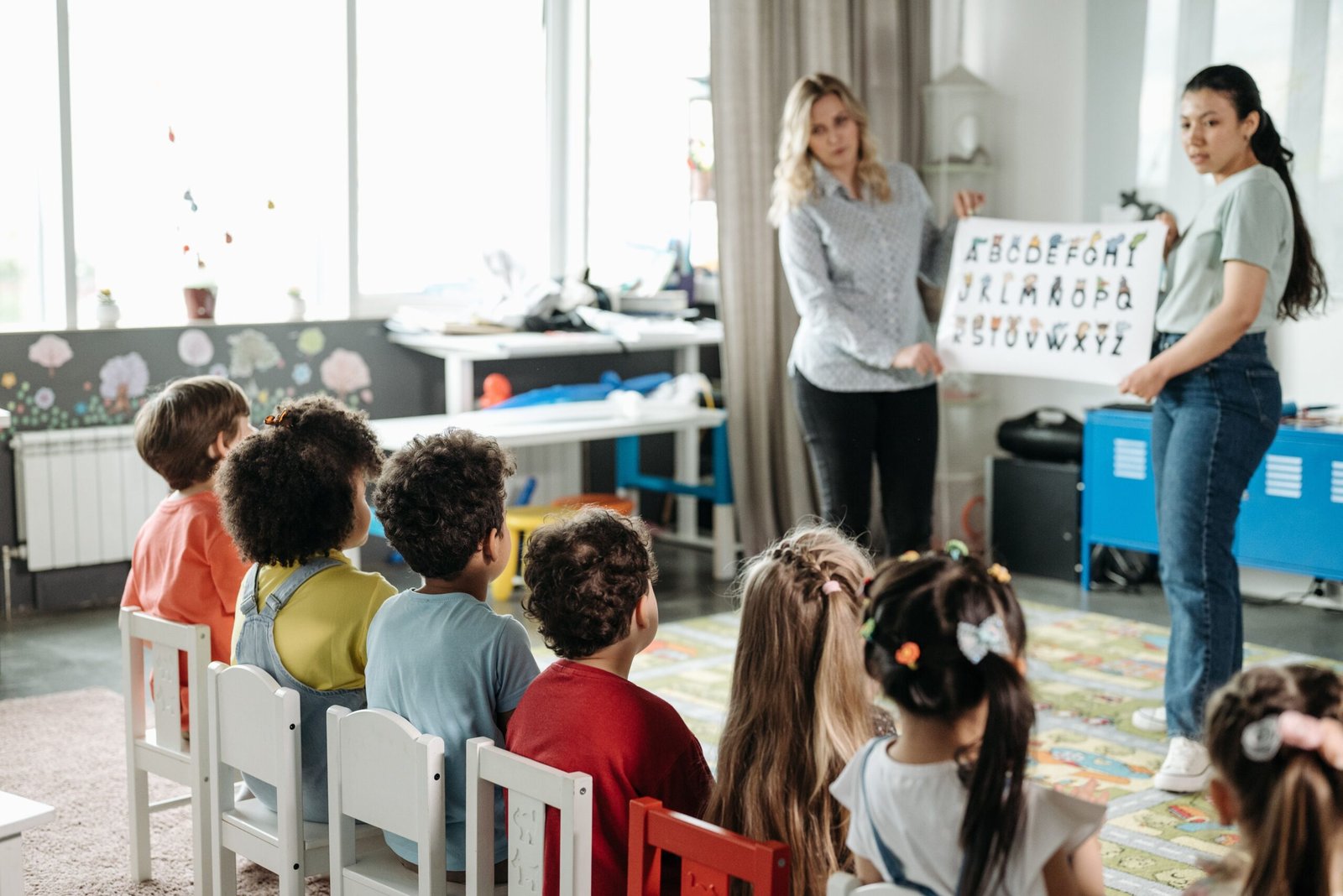
Education is one of the most valuable investments anyone can make. In today’s competitive job market, acquiring new skills and improving existing knowledge are essential for career advancement and personal growth. While traditional schools provide foundational education for children and teenagers, many adults seek flexible learning opportunities that fit around work and family commitments. This is where Osnovno Učilište plays an important role.
The term “Osnovno Učilište” originates from South Slavic languages and generally refers to an educational institution or learning center that provides basic education, vocational training, professional development, and lifelong learning opportunities. Depending on the country and institution, an Osnovno Učilište may offer adult education programs, certification courses, language training, technical education, and skill-based workshops designed to meet the needs of modern learners.
This comprehensive guide explores everything you need to know about Osnovno Učilište, including its purpose, educational programs, benefits, learning methods, career opportunities, and why lifelong education continues to grow in importance.
Quick Facts
| Category | Details |
|---|---|
| Main term | Osnovno Uciliste |
| English meaning | Primary school or elementary school |
| Main country context | North Macedonia |
| Education level | Primary and lower secondary education |
| Standard duration | 9 years |
| Typical age range | About 6 to 15 years old |
| Compulsory status | Mandatory education |
| Cost in public schools | Free and state-funded |
| Textbooks | Provided free in the public system |
| Transportation | Free for eligible students living more than 2 km away |
| Main public school type | Municipal primary school |
| Municipal abbreviation | ООУ |
| Private school type | Licensed private primary school |
| Private abbreviation | ППОУ |
| Main authority | Ministry of Education and Science |
| Local administration | Municipalities |
| Common school language | Macedonian, with supported minority-language instruction |
| Macedonian writing system | Cyrillic alphabet |
| First foreign language | Usually English from grade 1 |
| Second foreign language | Usually introduced later, often around grade 6 |
| Education cycles | Grades 1 to 3, grades 4 to 6, grades 7 to 9 |
| Early assessment | Descriptive evaluation |
| Later assessment | Numerical grades from 1 to 5 |
| School year | September through August |
| Teaching period | About 180 working days |
| Inclusion model | Mainstream support with teams and educational assistants |
What Is Osnovno Učilište?
Osnovno Učilište refers to an educational institution dedicated to providing accessible learning opportunities for students of different ages, particularly adults seeking additional qualifications or practical skills. These institutions often focus on flexible education that combines theoretical knowledge with hands-on experience.
Unlike traditional schools that primarily educate children, Osnovno Učilište programs are designed for people who want to:
- Complete their education
- Learn a new profession
- Improve workplace skills
- Earn professional certifications
- Prepare for career changes
- Develop personal interests
- Enhance employment opportunities
Many institutions also collaborate with employers to ensure their courses reflect current labor market demands, making graduates better prepared for real-world careers.
Why Osnovno Učilište Is Important in Modern Education
The world of work changes rapidly due to technological advancements, automation, and evolving industry requirements. Continuous learning has become essential for maintaining professional competitiveness.
Osnovno Učilište helps bridge the gap between formal education and workplace expectations by offering practical, career-oriented programs that emphasize applicable knowledge.
Key reasons why these institutions remain valuable include:
- Supporting lifelong learning
- Improving employability
- Offering flexible study schedules
- Providing affordable education
- Teaching practical job skills
- Preparing students for certifications
- Encouraging career advancement
- Promoting personal development
For many adults, returning to education becomes an opportunity to pursue new goals, increase earning potential, and gain confidence.
Educational Programs Offered by Osnovno Učilište
One of the greatest strengths of Osnovno Učilište is the diversity of educational programs available. Although specific offerings vary by institution, common areas include vocational training, language education, technology, and professional development.
Vocational Training
Vocational programs prepare students for careers requiring specialized practical skills.
Examples include:
- Electrician training
- Plumbing
- Welding
- Carpentry
- Hospitality
- Culinary arts
- Beauty therapy
- Hairdressing
- Automotive repair
- Construction trades
These programs combine classroom instruction with practical experience to prepare graduates for employment.
Language Courses
Learning a new language opens opportunities for international employment, travel, and communication.
Common language courses include:
- English
- German
- Italian
- French
- Spanish
Many institutions offer beginner through advanced proficiency levels.
Computer and Digital Skills
Digital literacy has become essential across nearly every profession.
Popular courses include:
- Microsoft Office
- Graphic design
- Digital marketing
- Programming
- Web development
- Cybersecurity fundamentals
- Data analysis
Technology education helps learners remain competitive in today’s digital economy.
Business Education
Business-focused programs often cover:
- Accounting
- Entrepreneurship
- Project management
- Human resources
- Customer service
- Sales
- Office administration
These skills support both employment and business ownership.
Benefits of Studying at Osnovno Učilište
Adult education institutions provide advantages that extend beyond classroom learning.
Flexible Learning
Many programs are designed for working adults.
Students may choose:
- Evening classes
- Weekend courses
- Online learning
- Hybrid education
- Intensive workshops
Flexible scheduling allows education to fit around professional and family responsibilities.
Career Advancement
Professional certifications and updated skills improve employment opportunities and increase competitiveness in the job market.
Practical Education
Courses emphasize real-world application rather than purely theoretical instruction.
Hands-on learning helps students develop confidence before entering the workforce.
Affordable Learning Opportunities
Many Osnovno Učilište institutions provide cost-effective alternatives to traditional higher education while still delivering valuable professional skills.
Experienced Instructors
Courses are often taught by professionals with practical industry experience, allowing students to benefit from current knowledge and workplace insights.
How Osnovno Učilište Supports Lifelong Learning
Education no longer ends after graduation. Lifelong learning has become essential for adapting to technological advancements, changing industries, and evolving career paths.
Osnovno Učilište encourages continuous education by providing opportunities for individuals at different stages of life.
Whether someone is:
- Beginning a first career
- Returning to work
- Changing professions
- Seeking promotion
- Expanding personal knowledge
there are programs designed to support ongoing development.
Lifelong learning also contributes to improved problem-solving abilities, increased confidence, stronger communication skills, and greater adaptability in professional environments.
Technology and Modern Learning Methods
Educational institutions increasingly use digital technology to improve accessibility and engagement.
Modern learning methods often include:
Online Classrooms
Students can attend lectures remotely from home.
Interactive Learning Platforms
Assignments, quizzes, videos, and discussion forums encourage active participation.
Virtual Simulations
Technical programs may use simulations to demonstrate workplace scenarios safely.
Digital Learning Materials
Electronic textbooks and downloadable resources reduce costs while improving convenience.
Self-Paced Study
Some programs allow learners to progress according to their own schedule.
These innovations make education more accessible for students balancing work, family, and other commitments.
Choosing the Right Osnovno Učilište
Selecting an educational institution is an important decision.
When evaluating options, consider:
Accreditation
Ensure the institution meets recognized educational standards where applicable.
Course Selection
Choose programs aligned with your career goals and personal interests.
Instructor Qualifications
Experienced educators provide valuable practical insights beyond textbook knowledge.
Learning Format
Consider whether classroom, online, or hybrid learning best suits your schedule.
Student Support
Quality institutions offer academic guidance, career counseling, and administrative assistance throughout the learning process.
Graduate Outcomes
Research graduate employment rates, employer partnerships, and certification success where available.
Making an informed choice increases the likelihood of achieving educational and professional objectives.
Future Opportunities After Completing Osnovno Učilište
Completing a program at Osnovno Učilište can open numerous personal and professional opportunities.
Graduates may pursue:
- Full-time employment
- Career advancement
- Professional certifications
- Entrepreneurship
- Higher education
- Specialized technical training
- International employment opportunities
Beyond career benefits, continued education often leads to greater self-confidence, improved critical thinking, and enhanced lifelong learning habits.
As industries continue evolving, individuals who invest in education remain better prepared for future challenges and opportunities.
Conclusion
Osnovno Učilište represents the value of accessible, practical, and lifelong education. By offering flexible learning opportunities, vocational training, digital skills development, language education, and professional certification programs, these institutions help learners adapt to an ever-changing world.
Whether the goal is completing formal education, changing careers, acquiring technical expertise, or pursuing personal growth, Osnovno Učilište provides pathways to meaningful development. Its emphasis on practical knowledge, flexible study options, and career-focused learning makes it a valuable resource for students, professionals, and lifelong learners alike.
Investing in education is an investment in the future, and Osnovno Učilište continues to play an important role in helping individuals build the knowledge, skills, and confidence needed to succeed in today’s dynamic global economy.
Frequently Asked Questions (FAQs)
What does Osnovno Učilište mean?
Osnovno Učilište generally refers to an educational institution that provides basic education, vocational training, adult education, and professional development programs.
Who can study at Osnovno Učilište?
Programs are typically available for adults, working professionals, career changers, and individuals seeking additional qualifications or practical skills.
What types of courses are offered?
Common programs include vocational training, language courses, business education, computer skills, digital technology, hospitality, construction trades, and professional certifications.
Can adults return to education through Osnovno Učilište?
Yes. Many institutions are specifically designed to support adult learners with flexible schedules and career-oriented programs.
Are online learning options available?
Many Osnovno Učilište institutions offer online or hybrid learning formats, allowing students to study remotely while balancing work and family responsibilities.
How does vocational education benefit employment?
Vocational training emphasizes practical skills that align with workplace requirements, helping graduates become job-ready and competitive in the labor market.
Why is lifelong learning important?
Lifelong learning helps individuals adapt to technological changes, improve career opportunities, develop new skills, and remain competitive in an evolving global workforce.


 Celebrity3 months ago
Kent Bateman: Biography, Career, Family, and Legacy in the Entertainment Industry
- Celebrity3 months ago
Jack Wilson: Biography, Career, Achievements, and Lasting Legacy
- Celebrity3 months ago
Enzo Lopez: Biography, Age, Career, Family, Social Media Success, and Future Plans
- Business3 months ago
Zingyzon.com: Complete Guide to Features, Benefits, User Experience, and What You Should Know
- Celebrity3 months ago
Jerry Stokes: Biography, Career, Leadership, Achievements, and Lasting Legacy
- Blog3 months ago
9×3: Understanding the Multiplication of 9 and 3 with Examples, Applications, and Learning Tips
- Tech3 months ago
From TurboGeek.org Blog: The Complete 2026 Guide to Technology, Artificial Intelligence, Digital Innovation, and Smart Online Resources
- Celebrity3 months ago
Margie Washichek: Biography, Early Life, Relationship, Career, and Legacy (2026 Guide)