
Blog
2K Builds: The Complete 2026 Guide to Building for Performance


2K builds can refer to two popular ideas in gaming: a gaming PC designed for 2K/1440p resolution or customized NBA 2K player builds. In 2026, both meanings are highly relevant because gamers want better performance, sharper visuals, competitive advantages, and hardware or player configurations that can remain useful for years.
Whether you are searching for the best 2K gaming PC build or trying to create an effective NBA 2K MyPLAYER build, the basic principle is the same: every component or attribute should work together. A powerful setup is not simply about choosing the most expensive option. It is about creating the right balance between performance, efficiency, compatibility, and long-term value.
What Does 2K Builds Mean in 2026?
The term 2K build is commonly associated with 2560 × 1440 resolution, also called 1440p or QHD gaming. This resolution sits between traditional 1080p Full HD and 4K Ultra HD. It provides noticeably sharper visuals while generally requiring less graphics power than 4K.
Current PC-building guides continue to treat the roughly $2,000 gaming PC as a high-performance category capable of excellent 1440p gaming and usable 4K performance.
At the same time, 2K builds can refer to builds in the NBA 2K series. In NBA 2K, a build determines the player’s position, physical profile, attributes, badges, animations, and overall playstyle. A good build should match how you actually play instead of simply copying the most popular build online.
Therefore, when someone searches for 2K builds, understanding the intended meaning is important.
Best Components for a 2K Gaming PC Build
For a 1440p gaming PC, the graphics card is one of the most important components. At this resolution, modern games can demand considerable GPU power, particularly when using ultra-quality textures, ray tracing, and high refresh rates.
A strong 2026 configuration can include a modern high-performance CPU, a capable 1440p graphics card, 32GB of DDR5 RAM, a fast NVMe SSD, and a reliable power supply. Current $2,000-class build recommendations demonstrate configurations using processors such as the Ryzen 7 9800X3D, high-end 1440p GPUs, 32GB memory, and 2TB-class storage.
The CPU should not be ignored. A powerful processor helps maintain high frame rates, especially in competitive games and CPU-intensive titles. For a gaming-focused system, it is usually better to choose a processor that provides strong gaming performance rather than spending too much on features you will never use.
32GB RAM is also a sensible target for a premium 2026 gaming computer. It provides enough capacity for modern games while leaving room for Discord, browsers, recording software, launchers, and other background applications.
For storage, a 2TB NVMe SSD is increasingly practical because modern games can consume enormous amounts of space.
GPU, Cooling, and Power Supply Matter
The GPU is the heart of a 2K gaming build because 1440p places considerably more graphical demand on the system than 1080p.
A well-balanced graphics card can deliver excellent frame rates while maintaining high image quality. Upscaling technologies such as DLSS and FSR can also help improve performance in supported games.
Cooling is another important consideration. A powerful processor and GPU generate substantial heat, so the case should have good airflow. A quality tower cooler or appropriately sized liquid cooler can help maintain consistent performance.
The power supply should also be selected carefully. Do not choose a PSU solely because it has a large wattage number. Look for a reputable unit with appropriate efficiency, protections, connectors, and enough headroom for your hardware.
A balanced $2,000-class PC can provide excellent 1440p performance without requiring an unnecessarily extravagant motherboard or cooling system. Current recommendations show that careful component allocation is more important than spending equally on every part.
Building the Best NBA 2K MyPLAYER Build
If you mean NBA 2K builds, the process is completely different.
Your first decision should be your role and playstyle. Do you want to be a primary ball handler, three-point shooter, slasher, lockdown defender, center, or versatile all-around player?
Do not begin by randomly maximizing attributes. Instead, determine what your player must do consistently.
For example, a shooting-focused guard may prioritize three-point shooting, ball handling, speed, and perimeter defense. A center may place greater emphasis on rebounding, interior defense, strength, finishing, and passing.
Badges and animations are also important. Attribute points should be spent with the thresholds for your intended playstyle in mind.
Current NBA 2K build guides emphasize starting with the player’s actual role and checking attribute, badge, animation, and upgrade requirements rather than blindly copying a popular build.
How to Make a 2K Build Future-Proof
Whether you are creating a PC or an NBA 2K player, future-proofing matters.
For a gaming PC, choose a modern platform with upgrade potential. A motherboard with current connectivity, DDR5 support, sufficient M.2 storage slots, and strong power delivery can make future upgrades easier.
Do not overspend on features that have no practical impact on your gaming experience. Instead, prioritize the GPU, CPU, RAM, storage, cooling, and power supply.
For NBA 2K, future-proofing means avoiding an overly specialized player. A build that performs one task extremely well can be powerful, but versatility may become more valuable if gameplay updates change attribute costs, badges, animations, or competitive strategies.
The NBA 2K community continues to adjust builds around gameplay changes, making flexibility an important consideration.
Common Mistakes When Creating 2K Builds
One of the biggest mistakes is copying a build without understanding it.
For PC builders, copying a parts list from another person can create compatibility, pricing, or availability problems. Hardware prices change, and a component that was excellent value months ago may no longer be the best choice.
Another mistake is spending too much on one component while creating bottlenecks elsewhere. A premium CPU paired with insufficient graphics performance may not provide the gaming experience expected from a high-budget system.
NBA 2K players can make similar mistakes by copying an influencer’s build without considering their own playstyle. A build designed for a competitive point guard may be terrible for someone who prefers playing center.
Finally, avoid assuming there is one best 2K build for everyone. The ideal configuration depends on your games, resolution, budget, preferred playstyle, and upgrade plans.
Why 2K Builds Remain Popular in 2026
The popularity of 2K builds comes from customization. PC gamers can choose every major component and create a system specifically around their performance requirements. NBA 2K players can similarly create a MyPLAYER designed around the way they want to play.
For PC gaming, 1440p represents an excellent balance between image quality and performance. It offers significantly more detail than 1080p without demanding the same level of hardware as native 4K gaming. Current 2026 PC build recommendations continue to position this resolution as an important target for performance-focused gamers.
For NBA 2K, the attraction is the ability to experiment with attributes, positions, badges, and roles.
Ultimately, the best 2K build in 2026 is not necessarily the most expensive or the one receiving the most attention online. It is the build that fits your goals. For a gaming PC, prioritize balanced hardware, strong GPU performance, adequate memory, fast storage, cooling, and a quality PSU. For NBA 2K, start with your role, understand attribute thresholds, plan your badges, and build around the way you actually play.
With that approach, you can create a 2K build that performs well today while remaining useful and enjoyable well into the future.
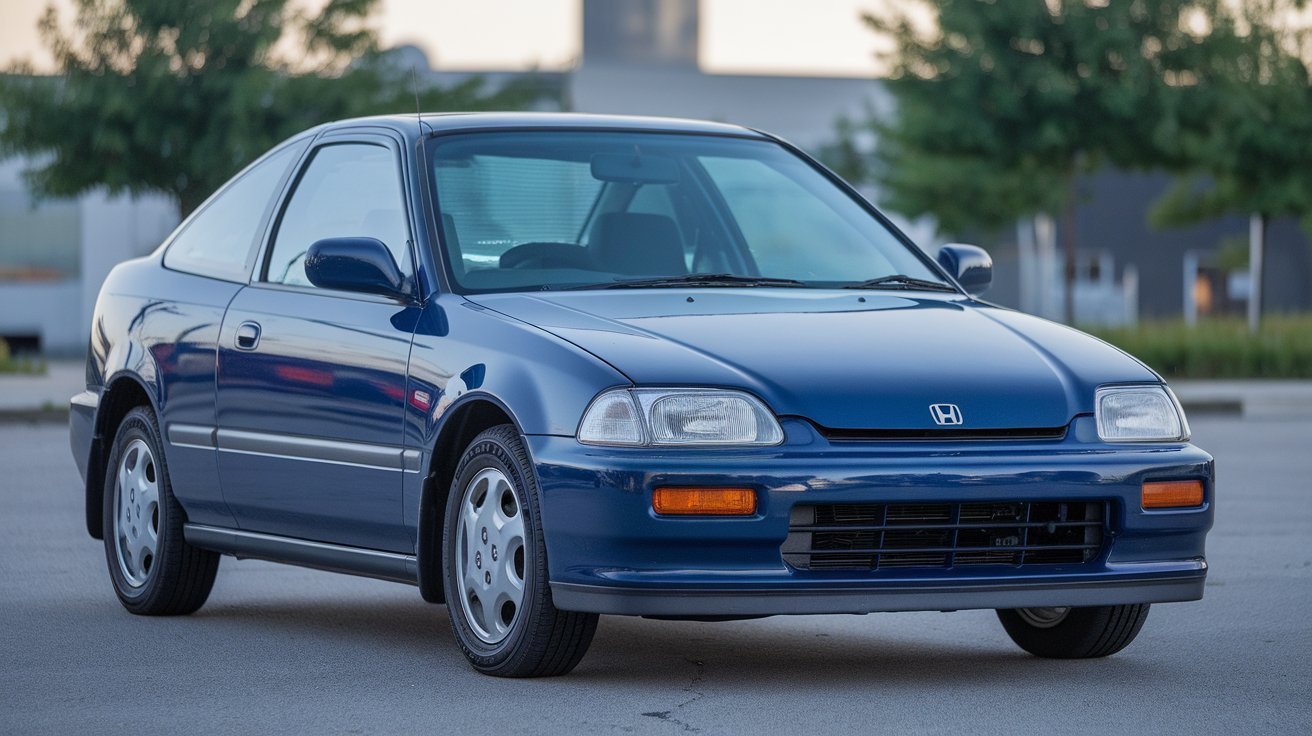
The Honda Civic 93, more commonly written as the 1993 Honda Civic, remains an interesting classic compact car for enthusiasts, collectors, restoration projects and drivers who appreciate lightweight front-wheel-drive vehicles. As part of the Civic’s fifth generation, the 1993 model was offered in several body styles and trim levels, including hatchbacks, coupes and sedans.
The 1993 Civic range was unusually diverse. Depending on the market and configuration, buyers could choose economical 1.5-liter models, the sportier 1.6-liter Si and EX versions, and the fuel-economy-focused VX hatchback. Contemporary specifications show that the U.S. lineup included CX, DX, LX, EX, Si and VX versions, with different engines, transmissions and equipment levels.
1993 Honda Civic Design and Body Styles
The 1993 Honda Civic belongs to the fifth-generation Civic family, a generation introduced around the beginning of the 1990s. Its relatively low weight, compact dimensions and aerodynamic body helped establish the Civic as an efficient everyday vehicle while also making certain versions popular with enthusiasts.
U.S. specifications included three-door hatchbacks, two-door coupes and four-door sedans. Cars.com lists CX, DX, LX, EX, Si and VX configurations for the 1993 model year, with the exact combination of body style and engine varying by trim.
The hatchback is particularly recognizable today because of its compact proportions and practical rear cargo opening. The coupe has a longer, sportier profile, while the sedan provides additional rear-seat practicality.
Most configurations used front-wheel drive, an arrangement that contributed to the Civic’s compact packaging and predictable everyday handling. The vehicle was also relatively light by modern standards, which is one reason older Civic models continue to attract modification and restoration enthusiasts.
1993 Honda Civic Engine Options and Performance
Engine specifications depended heavily on the selected trim. The mainstream Civic models used 1.5-liter four-cylinder engines, while higher-performance versions such as the EX and Si used 1.6-liter four-cylinder engines. The 1993 Civic Si hatchback, for example, is listed with a 1.6-liter engine producing 125 horsepower at 6,600 rpm and 106 lb-ft of torque at 5,200 rpm.
The 1.5-liter versions were oriented more toward efficiency and everyday transportation. CarGurus lists a 1.5-liter DX configuration with approximately 102 horsepower, while the VX used a different efficiency-focused 1.5-liter configuration.
The Civic Si is particularly significant for enthusiasts because its combination of a 1.6-liter engine, five-speed manual transmission, lightweight chassis and front-wheel drive gives it a distinctly sportier character than the basic models.
The period specifications also demonstrate how dramatically the Civic lineup could differ depending on trim. A 1992 Honda technical comparison published by Lawrence Berkeley National Laboratory, for example, lists a 102-horsepower DX and a 92-horsepower VX, with the VX using VTEC-E technology and a five-speed manual transmission.
1993 Honda Civic MPG and Fuel Economy
Fuel economy was one of the defining characteristics of the early-1990s Civic. The exact result depended on the engine, transmission, body style and testing methodology.
Historical data from Lawrence Berkeley National Laboratory shows the 1992 VX achieving exceptionally high adjusted fuel-economy figures, with the listed 49-state version reaching 48 mpg city and 55 mpg highway on the adjusted test figures. The same source identifies the VX’s VTEC-E engine and lightweight construction as part of its efficiency-oriented configuration.
For the 1993 Civic, published specifications vary by trim. Edmunds lists the 1993 Civic Si at 25 mpg city and 32 mpg highway, while other configurations used less powerful engines designed around everyday efficiency.
It is important to distinguish historical EPA testing from modern fuel-economy measurements. Older vehicles were tested under procedures that do not always correspond directly with today’s ratings, so period MPG figures should be interpreted in their original context.
The VX hatchback is particularly notable because Honda engineered it specifically around fuel efficiency. Its low weight, aerodynamic body and specialized engine technology made it one of the most economical Civic configurations of its era.
1993 Honda Civic Interior, Dimensions and Practicality
Despite its compact exterior, the Honda Civic 93 made efficient use of its interior space. The fifth-generation platform provided useful front-seat room while keeping the overall vehicle relatively small.
Specifications for the hatchback include approximately 42.5 inches of front legroom and 30.5 inches of rear legroom. The 1993 Civic hatchback is listed at about 160.2 inches long, 66.9 inches wide and 50.7 inches tall, with a 101.3-inch wheelbase.
Depending on configuration, the Civic could accommodate up to five occupants. The sedan’s longer body provided additional rear-seat space compared with the shorter hatchback.
Interior equipment was basic compared with a modern vehicle. Depending on trim, buyers could find features such as power windows, power door locks, cruise control, power mirrors, air conditioning and a sunroof, while lower trims were considerably simpler.
This simplicity is now part of the appeal for some enthusiasts. There are fewer electronic systems than in a modern vehicle, making many mechanical and interior components easier to understand and service.
1993 Honda Civic Si, EX, VX and Other Trims
The variety of 1993 Honda Civic trims is one of the model’s most interesting characteristics.
The CX represented an entry-level hatchback configuration. The DX was available across hatchback, coupe and sedan body styles, giving buyers a broad range of practical configurations. The LX was a sedan-focused trim with additional convenience equipment.
The EX moved toward a more powerful and better-equipped specification, using a 1.6-liter four-cylinder engine. According to Cars.com, 1993 EX versions were offered as both coupes and sedans, with manual and automatic transmission choices depending on configuration.
The Si was the enthusiast-oriented hatchback. Its 1.6-liter engine produced 125 horsepower, and it was paired with a five-speed manual transmission.
The VX, meanwhile, pursued the opposite objective: maximizing fuel efficiency. It used a 1.5-liter engine and five-speed manual transmission, with historical data identifying its VTEC-E technology.
Original pricing also varied substantially. Cars.com lists the 1993 Civic starting at $8,950 for the CX hatchback, while higher trims such as the EX sedan reached more than $15,000 depending on configuration.
Is the Honda Civic 93 Still Worth Considering in 2026?
In 2026, a 1993 Honda Civic is more than three decades old, so condition matters far more than the original trim name. A well-preserved example and a heavily modified or neglected example can have completely different ownership experiences.
When evaluating a Honda Civic 93, we should inspect the body for rust, examine the engine for leaks, check the cooling system, inspect suspension and steering components, and verify the condition of the transmission. On a manual car, the clutch deserves particular attention.
The maintenance history is equally important. Because these cars are now decades old, rubber components, hoses, seals, bushings, wiring and other age-sensitive parts may require replacement even when the engine itself appears healthy.
The Civic’s lightweight construction, simple mechanical layout and enormous enthusiast community have helped keep many examples on the road. The 1993 Civic Si, in particular, has become an enthusiast-focused model, while the VX is interesting to collectors because of its unusual emphasis on fuel economy.
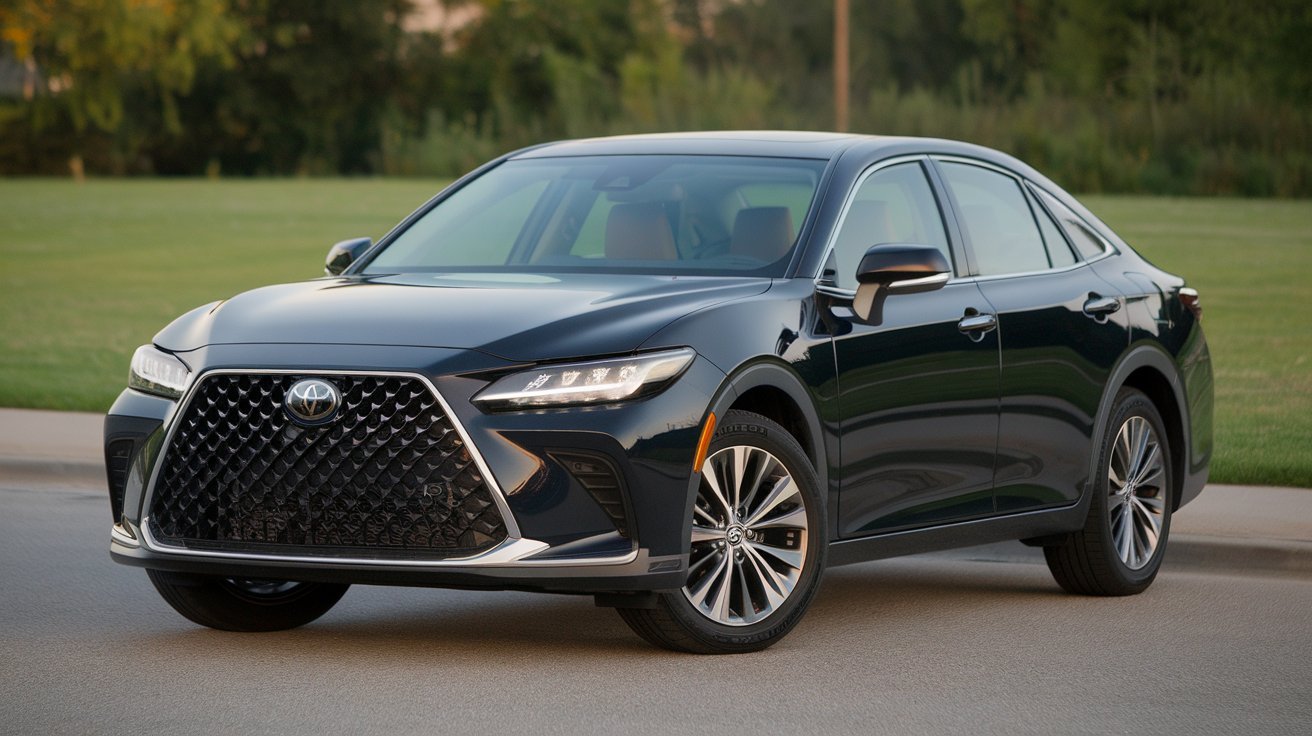
The 2025 Toyota Crown XLE combines the elevated driving position of a crossover-inspired sedan with Toyota’s proven hybrid technology, standard all-wheel drive, modern technology and an upscale interior. For buyers looking for a comfortable daily driver with strong fuel economy without moving into a traditional SUV, the Crown XLE offers an interesting alternative.
For the 2025 model year, the Toyota Crown lineup includes the XLE, Limited, Nightshade Edition and Platinum grades. The XLE sits at the entry point of the Crown range, but it still includes a substantial collection of comfort, safety and technology features. Toyota equips the XLE with a 2.5-liter four-cylinder hybrid powertrain, electronic on-demand AWD and an electronically controlled continuously variable transmission.
2025 Toyota Crown XLE Price and Position in the Lineup
The 2025 Toyota Crown XLE has a published starting MSRP of $41,440 in the U.S. market before applicable taxes, registration, dealer charges and optional equipment. The Limited starts at $45,950, while the Nightshade Edition starts at $48,765. The Platinum, which uses the more powerful Hybrid MAX system, starts at $54,990.
This positioning makes the XLE the most accessible way to enter the 2025 Crown lineup. Importantly, choosing the XLE does not mean giving up the Crown’s fundamental hybrid and AWD setup. All-wheel drive is standard, and the XLE uses the same 2.5-liter hybrid configuration shared with the Limited and Nightshade grades.
The XLE also has a distinct identity within the Crown range. Instead of concentrating on maximum performance, it emphasizes fuel efficiency, comfort, everyday usability and standard equipment.
2025 Toyota Crown XLE Engine, Hybrid System and Performance
Under the hood, the 2025 Crown XLE uses a 2.5-liter Dynamic Force four-cylinder hybrid engine. Toyota lists output at 236 net combined horsepower. Power is delivered through an electronically controlled continuously variable transmission (ECVT).
Unlike the Platinum, the XLE does not use Toyota’s 2.4-liter turbocharged Hybrid MAX system. The Hybrid MAX is exclusive to the Platinum and produces 340 net combined horsepower and 400 lb-ft of torque. The XLE instead prioritizes efficiency and smooth everyday operation.
One of the defining characteristics of the XLE is its Electronic On-Demand All-Wheel Drive system. Rather than relying on a conventional mechanical driveshaft to continuously connect the front and rear axles, the system uses a separate rear electric motor when additional rear-wheel traction is required. Toyota describes the system as capable of varying front/rear driving force between 100:0 and 20:80, depending on conditions.
The XLE also provides Eco, Normal and Sport drive modes, allowing drivers to adjust the vehicle’s driving character. EV Mode is also available as part of the hybrid system’s operation.
2025 Toyota Crown XLE MPG and Fuel Economy
Fuel economy is one of the strongest reasons to consider the 2025 Toyota Crown XLE. Toyota lists EPA-estimated fuel economy of approximately 42 mpg city, 41 mpg highway and 41 mpg combined for the XLE.
That figure gives the XLE a significant efficiency focus for a vehicle of its size and standard AWD configuration. The 14.5-gallon fuel tank also provides practical range for commuting and longer highway journeys, although real-world fuel economy will vary with driving style, weather, traffic, terrain, vehicle load and other conditions.
The XLE uses a nickel-metal hydride hybrid traction battery with a listed voltage of 230.4 volts. Toyota’s hybrid system combines gasoline and electric propulsion to reduce fuel consumption, particularly during lower-speed driving and situations where electric assistance can contribute to propulsion.
For buyers comparing the XLE with the Platinum, there is an important tradeoff: the XLE’s efficiency-focused hybrid system is rated at 41 mpg combined, while the performance-oriented Platinum’s Hybrid MAX powertrain is rated at 30 mpg combined.
2025 Toyota Crown XLE Interior, Comfort and Technology
Inside, the 2025 Toyota Crown XLE provides seating for five passengers. Toyota lists approximately 42.1 inches of front legroom and 38.9 inches of rear legroom, with 38.2 inches of front headroom and 37.5 inches in the rear.
The XLE includes heated and ventilated power-adjustable front seats, heated rear outboard seats and a heated steering wheel. These features give the entry-level Crown a notably well-equipped cabin rather than making buyers move immediately to a higher trim for basic comfort equipment.
Technology is centered around Toyota’s 12.3-inch Toyota Audio Multimedia touchscreen. The XLE includes a six-speaker audio system and supports wireless Apple CarPlay and Android Auto compatibility. Toyota’s multimedia platform also supports over-the-air updates, while available connected services can provide additional voice and vehicle functions depending on subscription and trial eligibility.
For cargo carrying, Toyota lists 15.2 cubic feet of cargo volume with the rear seatbacks in their normal position. The Crown’s sedan-like body means its cargo area is not intended to replace a large SUV, but it remains useful for groceries, luggage and everyday transportation needs.
2025 Toyota Crown XLE Exterior Design and Dimensions
The Crown XLE has a distinctive design that sits between a conventional sedan and a crossover. Its relatively tall body, elevated seating position and standard AWD give it a different character from a traditional low-slung sedan.
Toyota lists the Crown at 196.1 inches long, 72.4 inches wide and 60.6 inches tall, with a 112.2-inch wheelbase. Ground clearance is listed at 5.8 inches.
The XLE rides on 19-inch alloy wheels, contributing to its upscale appearance while maintaining a balance between ride comfort and road presence. Toyota also provides LED lighting, heated power exterior mirrors and other practical exterior equipment as part of the Crown’s standard configuration.
The design is one of the Crown’s most noticeable characteristics. Rather than copying the appearance of either a traditional luxury sedan or a conventional crossover, Toyota gives the vehicle a high-riding fastback-inspired profile.
2025 Toyota Crown XLE Safety and Driver Assistance
Safety technology is another important part of the Crown XLE package. The 2025 Crown incorporates Toyota Safety Sense 3.0, Toyota’s suite of active safety and driver-assistance technologies. The XLE also includes features such as Blind Spot Monitor and Rear Cross-Traffic Alert.
The standard backup camera provides a projected path and dynamic gridlines, helping drivers maneuver the relatively long Crown in parking lots and tight spaces. Toyota also provides electronic braking technology with regenerative braking as part of the hybrid system.
Higher trims can add technologies such as a Panoramic View Monitor, parking assistance and other advanced convenience features, but the XLE already establishes a strong baseline of driver-assistance equipment.
Is the 2025 Toyota Crown XLE a Practical Choice?
The 2025 Toyota Crown XLE is designed around a combination of attributes rather than one single priority. Its 236-horsepower hybrid powertrain, standard AWD, approximately 41 mpg combined, 19-inch wheels, spacious front seating, heated and ventilated front seats, 12.3-inch touchscreen and comprehensive safety technology make it a well-rounded configuration.
It is particularly relevant for drivers who want hybrid efficiency without choosing a conventional compact sedan, while also wanting the additional traction of AWD. The Crown’s elevated body and distinctive styling further separate it from conventional sedans.
At the same time, buyers seeking maximum acceleration should look toward the Platinum’s Hybrid MAX system, while shoppers wanting additional luxury features can compare the XLE with the Limited and Nightshade Edition.
Overall, the 2025 Toyota Crown XLE represents the efficiency-oriented foundation of Toyota’s Crown lineup. With standard AWD, strong hybrid fuel economy, a 236-horsepower powertrain and a substantial list of standard comfort and technology features, it provides a distinctive alternative for drivers who want something between a traditional sedan and an SUV.
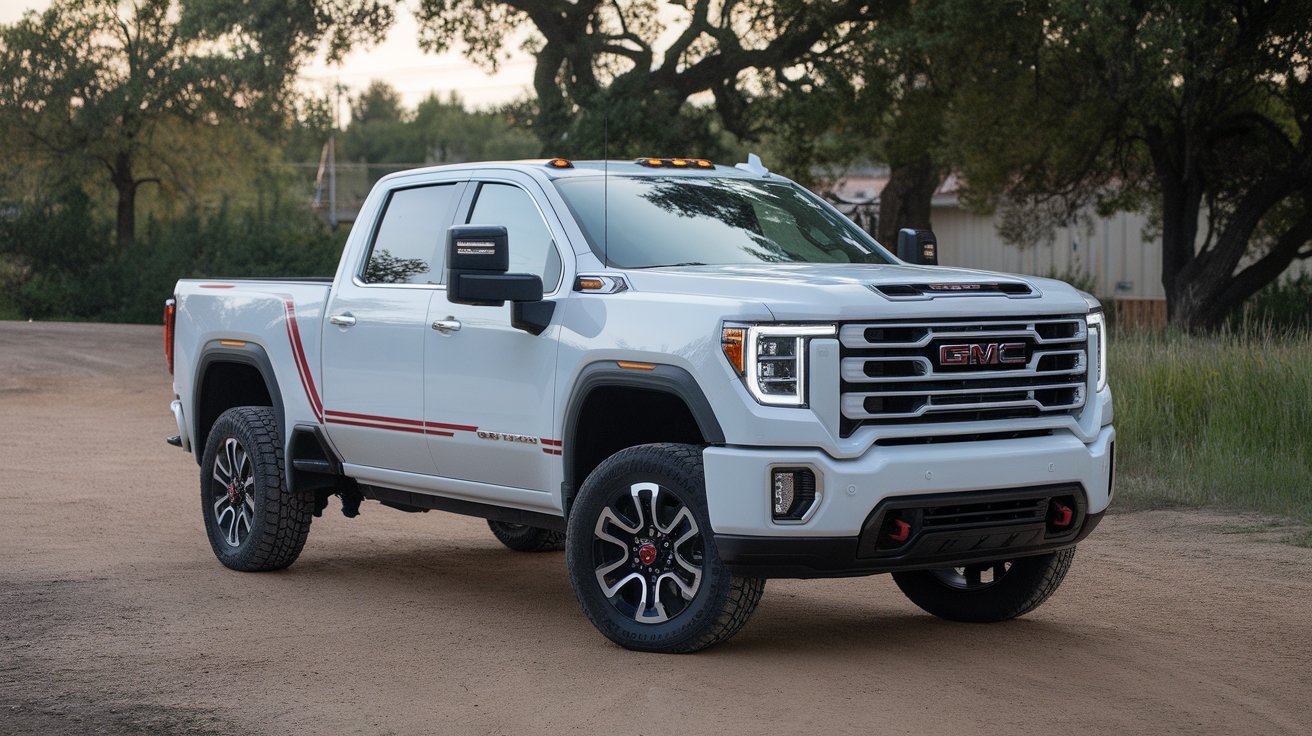
The 2026 GMC 2500, officially known as the 2026 GMC Sierra 2500 HD, is a heavy-duty pickup designed for drivers who need substantial towing and hauling capability without moving up to the larger Sierra 3500 HD. GMC offers the 2026 Sierra 2500 HD in several configurations, from the work-focused Pro to the premium Denali Ultimate, with gasoline and diesel powertrains available depending on configuration.
For 2026, the Sierra 2500 HD offers a maximum available towing capacity of 22,390 pounds, while its available 6.6-liter Duramax Turbo-Diesel V8 produces 470 horsepower and 975 lb-ft of torque. The lineup also combines heavy-duty capability with modern technology, advanced trailering systems, and increasingly upscale interior equipment.
2026 GMC Sierra 2500 HD Price and Trim Levels
The 2026 GMC Sierra 2500 HD starts at approximately $47,000 according to GMC’s current U.S. model information. Actual transaction prices can increase substantially with four-wheel drive, cab and bed configurations, optional packages, engines, destination charges, and dealer-installed equipment.
GMC offers several major trim levels for the 2500 HD:
- Pro
- SLE
- SLT
- AT4
- Denali
- AT4X
- Denali Ultimate
GMC’s build-and-price information lists starting prices ranging from about $53,495 for a specific Pro Crew Cab configuration to approximately $96,995 for the Denali Ultimate, demonstrating how widely the model can vary depending on configuration and equipment.
The Pro is oriented toward commercial and working applications, while SLE and SLT add increasing levels of technology and comfort. The AT4 and AT4X emphasize off-road capability, and Denali models provide the more luxurious side of the Sierra HD lineup.
6.6-Liter V8 Gas and Duramax Diesel Engines
The 2026 GMC Sierra 2500 HD gives buyers two major engine choices. The standard powertrain is a 6.6-liter V8 gasoline engine producing 401 horsepower and 464 lb-ft of torque. It is paired with an Allison 10-speed automatic transmission.
For customers who regularly tow heavy trailers, GMC offers the 6.6-liter Duramax Turbo-Diesel V8. It develops an impressive 470 horsepower and 975 lb-ft of torque at 1,600 rpm and also works with an Allison 10-speed automatic transmission. The diesel includes an exhaust brake, engine block heater, and a dedicated Diesel Exhaust Fluid system.
The diesel’s enormous torque output is particularly relevant when towing because substantial torque at low engine speed can help move heavy loads and maintain control on grades. The transmission also includes Tow/Haul mode and Auto Grade Braking, technologies designed to improve transmission behavior and engine braking while towing.
Towing and Hauling Capability of the 2026 GMC 2500
Towing is one of the primary reasons buyers consider a GMC 2500 HD. GMC lists a maximum available towing capacity of 22,390 pounds for the 2026 Sierra 2500 HD. The exact capacity of an individual truck depends on its engine, cab, drivetrain, axle ratio, configuration, and equipment.
The truck is also equipped with technologies intended to make trailer operation easier. Depending on trim and options, buyers can access multiple camera views, including a Transparent Trailer View, along with trailer-assistance technology.
The available camera system can provide a more comprehensive view around the truck and trailer, which can be especially useful when connecting a trailer, maneuvering in confined spaces, or monitoring the trailer during travel. GMC advertises up to 14 available camera views across the Sierra HD lineup.
The Trailering Package, trailer brake controller, trailering mirrors, Hitch Guidance, and Tow/Haul transmission programming further reinforce the truck’s towing-oriented design.
Exterior Design, Bed, and Work-Focused Features
The 2026 GMC Sierra 2500 HD has the tall, substantial proportions expected from a modern heavy-duty pickup. Its large grille, upright front end, available LED lighting, and wide stance give it a distinctly heavy-duty appearance.
Work-oriented versions emphasize durability and functionality, while higher trims add larger wheels, premium lighting, chrome or dark exterior accents, and additional convenience features.
One of the most recognizable available features is GMC’s MultiPro Tailgate. The multifunction tailgate is designed to provide several configurations for loading, accessing, and working around the cargo bed.
The Sierra HD also provides a substantial cargo box, and GMC identifies its HD cargo bed volume as a class-leading feature. The available bed configurations allow buyers to select a setup appropriate for work equipment, recreational gear, construction materials, or towing-related equipment.
Interior Technology and Comfort
The 2026 GMC 2500 HD is not limited to basic work-truck equipment. Moving through the trim range introduces increasingly sophisticated technology and comfort features.
The SLE adds a 13.4-inch diagonal center touchscreen and a 12.3-inch digital Driver Information Center, while higher trims can add premium audio, heated and ventilated seating, and additional luxury materials.
The SLT includes features such as heated front seats, ventilated front seats, a 12.3-inch digital instrument display, and additional exterior and interior upgrades. GMC also offers a Bose premium sound system on applicable configurations.
At the top of the range, the Denali Ultimate focuses heavily on luxury while retaining the underlying heavy-duty capability. Available features include premium leather appointments, advanced seating, distinctive exterior details, and the Duramax diesel powertrain.
AT4 and AT4X: Off-Road Versions of the Sierra 2500 HD
The GMC Sierra 2500 HD AT4 is aimed at customers who want heavy-duty towing and hauling capability combined with additional off-road equipment. The more specialized AT4X takes that concept further.
According to GMC, the AT4X features a factory-installed 1.5-inch suspension lift, Multimatic DSSV dampers, a rear electronic-locking differential, specialized skid plates, and 35-inch Goodyear Territory MT tires. It also offers premium 16-way heated and ventilated power front seats with a massage function.
The AT4X is therefore substantially different from a conventional work-focused 2500 HD. It combines heavy-duty truck hardware with equipment intended for more demanding off-pavement driving.
GMC also offers an AT4X AEV Edition, which adds additional off-road-focused equipment such as specialized bumpers, protection components, and 18-inch wheels.
2026 GMC 2500 HD Safety, Trailering Technology, and Daily Use
A major advantage of the modern Sierra 2500 HD is that heavy-duty capability is combined with extensive driver-assistance and trailering technology.
Depending on configuration, available features include Adaptive Cruise Control with trailering, HD Surround Vision, multiple camera perspectives, Hitch Guidance, and Transparent Trailer View. These systems are designed to assist the driver rather than replace attentive driving.
For everyday driving, buyers should also consider the physical size of the 2500 HD. A heavy-duty pickup offers significant capability, but its large dimensions can make parking, narrow streets, and tight garages more challenging than with a midsize or half-ton truck.
The choice between gasoline and diesel should likewise reflect actual usage. The 6.6-liter gasoline V8 provides substantial output and avoids diesel-specific systems such as DEF, while the Duramax diesel delivers considerably more torque and is particularly suited to frequent heavy towing.
2026 GMC 2500 HD: Key Specifications at a Glance
The main specifications help explain why the 2026 GMC 2500 HD remains a serious heavy-duty pickup:
- Model: 2026 GMC Sierra 2500 HD
- Starting price: About $47,000 for the lineup
- Gas engine: 6.6-liter V8
- Gas output: 401 hp / 464 lb-ft
- Diesel engine: 6.6-liter Duramax Turbo-Diesel V8
- Diesel output: 470 hp / 975 lb-ft
- Transmission: Allison 10-speed automatic
- Maximum available towing: 22,390 pounds
- Available drivetrain: 2WD/RWD and 4WD configurations depending on model
- Trims: Pro, SLE, SLT, AT4, Denali, AT4X, and Denali Ultimate
- Available technology: MultiPro Tailgate, Transparent Trailer View, HD Surround Vision, advanced trailering assistance, and large digital displays
The 2026 GMC Sierra 2500 HD therefore covers a remarkably broad range of uses. A Pro model can serve as a serious work truck, while an SLT or Denali can provide a much more upscale daily-driving environment. The AT4 and AT4X add off-road capability, while the available Duramax diesel gives the truck its highest level of torque.
For buyers who need a heavy-duty pickup but do not require the maximum capacity of a 3500 HD, the 2026 GMC 2500 HD provides a combination of strong V8 power, substantial towing capacity, modern trailering technology, multiple configurations, and premium interior options. Its broad trim range allows the same basic heavy-duty platform to serve commercial work, recreational towing, off-road travel, and luxury-oriented truck ownership.


 Celebrity3 months ago
Kent Bateman: Biography, Career, Family, and Legacy in the Entertainment Industry
- Celebrity3 months ago
Jack Wilson: Biography, Career, Achievements, and Lasting Legacy
- Celebrity2 months ago
Enzo Lopez: Biography, Age, Career, Family, Social Media Success, and Future Plans
- Business2 months ago
Zingyzon.com: Complete Guide to Features, Benefits, User Experience, and What You Should Know
- Celebrity3 months ago
Jerry Stokes: Biography, Career, Leadership, Achievements, and Lasting Legacy
- Blog2 months ago
9×3: Understanding the Multiplication of 9 and 3 with Examples, Applications, and Learning Tips
- Blog2 months ago
Thursday in Spanish: Meaning, Pronunciation, Usage, and Cultural Significance
- Celebrity2 months ago
Margie Washichek: Biography, Early Life, Relationship, Career, and Legacy (2026 Guide)